







Issue Overview
The Johnson Administration is proposing a sweeping overhaul of the Residential Landlord and Tenant Ordinance (RLTO) called the “Protecting Renters Ordinance” (PRO). The ordinance was first introduced to the Committee on Housing and Real Estate at the end of June 2026.
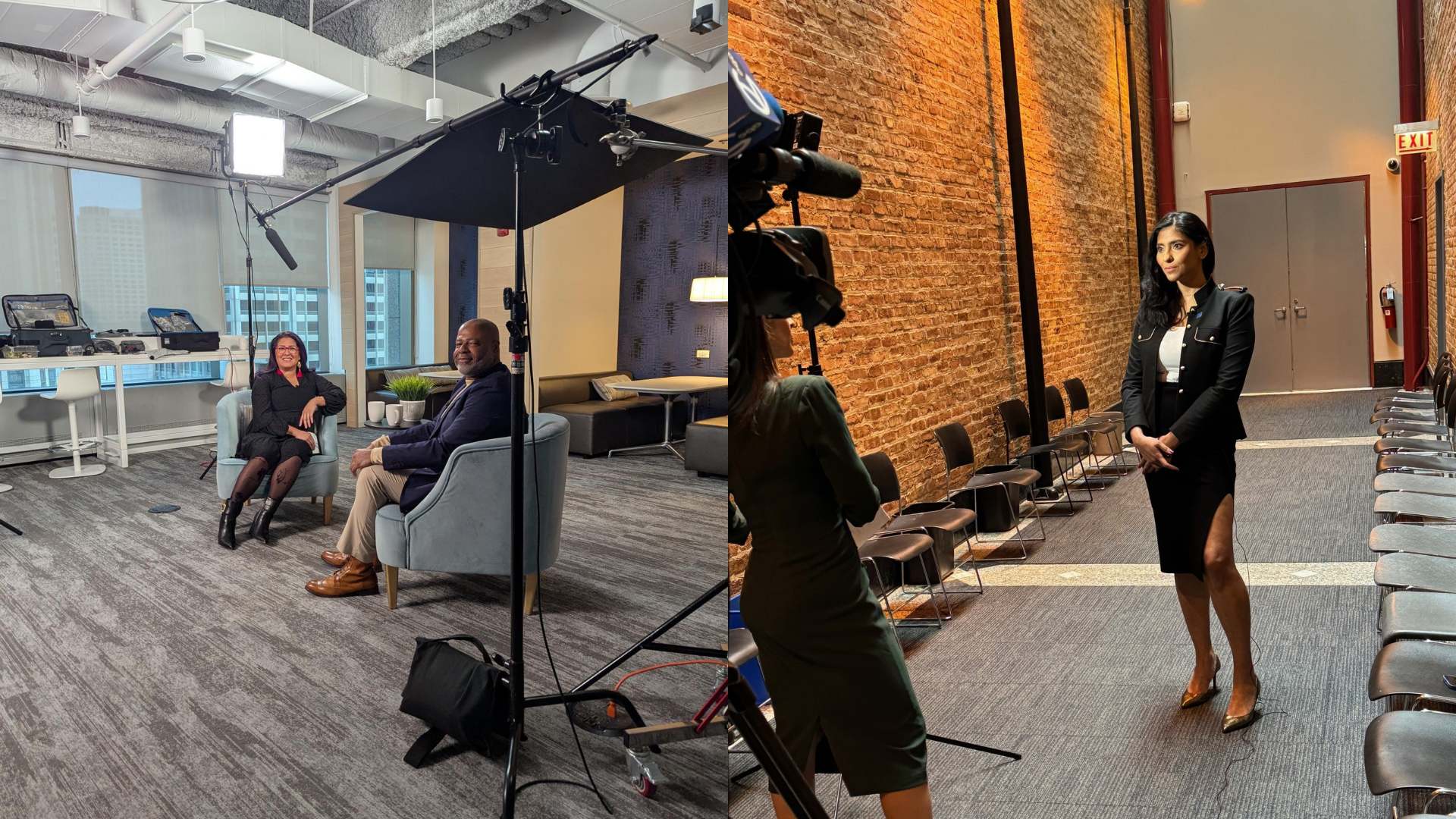
REALTORS® have been proactively educating Alders and engaging Chicago media outlets on this ordinance, which would negatively impact Chicago multifamily housing, given that the ordinance would:
- Create substantial relocation payment requirements: these would apply to all rental units in the City of Chicago and can be as high as 10 times the monthly rent, or $10,000, whichever is greater (per tenant).
- Cap Security Deposits & Ban Move-In Fees: Security deposits would be capped at one month’s rent and move-in fees are effectively prohibited. Many landlords began charging move-in fees to avoid Chicago’s highly punitive security deposit litigation environment. Many tenants see move-in fees as preferable to paying larger security deposit sums up-front.
- It does contain minor changes to security deposit interest rates and comingling/depositing multiple security deposits into one account, items that have historically generated litigation, but those changes are overwhelmed by the broader expansion of landlord liability, mandatory payments, procedural mandates and tenant causes of action throughout the ordinance.
- Establish a Sweeping Tenant Bill of Rights: Broad new tenant rights covering tenant organizing, rent withholding, lease termination, retaliation claims and quiet enjoyment while significantly expanding damages, penalties, attorneys’ fees and injunctive relief against housing providers. The ordinance also provides tenants with broader rights to make repairs to units at the expense of landlords.
- Institute “Just Cause Eviction”: Landlords must satisfy narrow statutory grounds before recovering possession and may owe relocation assistance even for owner move-in, family occupancy or major rehabilitation. The language also all but bars non-renewals and applies even to owner-occupied 2–6 unit buildings.
- Encourage “Cash-for-Keys” Negotiations: Rather than navigate the formal eviction process when trying to recover their property, Just Cause requirements create incentives for landlords to negotiate private buyout agreements with tenants. Similar policies in cities like San Francisco, where buyout agreements sometimes reached five figures, have made cash-for-keys arrangements commonplace, further driving up costs for housing providers.
- Establish a Residential Rental Registry: Applies to all owners of one or more dwelling units available for rent in the City of Chicago. This registry will require landlords to submit multiple points of information to the Department of Housing, requiring significant additional disclosures, costs, and administrative time for landlords and management offices. Owners who do not reside in or have a place of business within the City of Chicago must designate or hire a local representative who does reside in or have a place of business within the City of Chicago to receive any notices from the City on the owner’s behalf. The fees to register properties are detailed below.
- Registration Fees: There are fees associated with registering a given property or properties as follows
- One to four units: $20 per unit annually
- Five to 49 units: $40 per unit annually
- Buildings of 50 or more units: $60 per unit annually
- Registration Fees: There are fees associated with registering a given property or properties as follows
- Create Significant Financial and Legal Exposure: Landlords may face four to five months of Fair Market Rent in mandatory relocation payments and penalties, plus attorneys’ fees and litigation costs. The fee and security deposit caps will also increase costs for landlords, which will have to be passed on to other tenants. The registration process and fees will place a heavy burden on the amount of time and money that comes directly from landlords’ bottom line and strict penalties for non-compliance are set forth in the ordinance. Limits on other fees will continue to raise the price of housing for tenants, and put the squeeze on landlords who will move out of neighborhoods.
Additional Resources & nEWS
- Read the public testimony from the September 16, 2026 Housing & Real Estate Committee meeting:
- Read the public testimonies from the Public Policy Coordinating Committee leaders, from the June 29, 2026 Housing & Real Estate Committee Subject Matter Expert Hearing:
- Learn about a related issue: Just Cause Eviction Issue Summary
- Learn about a related issue: Rent Control Issue Summary
News Coverage
- Mayor Johnson’s proposal to protect renters advances from WGN News
- Chicago Mayor Brandon Johnson pushes for more renter protections amid landlord opposition from NBC Chicago
- Johnson tees up fight with landlords over new renters’ rights ordinance from Crain’s Chicago Business
- Mayor Brandon Johnson pushes City Council to adopt tenants’ rights package from the Chicago Tribune
- Mayor Johnson’s renter protection proposal faces fierce resistance from building owners from the Chicago Sun-Times
- Johnson Prepares Sweeping Rental Overhaul, Chicago CRE Is Skeptical from BISNOW Chicago
- Mayor Brandon Johnson pushing sweeping changes to renter laws and landlords bristle from the Chicago Tribune
- Mayor Johnson to introduce measure to protect Chicago renters from WBEZ Chicago
Issue Updates
UPDATE AS OF SEPTEMBER 17, 2026
On Wednesday, September 16th, the Committee on Housing and Real Estate voted to advance a substitute ordinance of the “Protecting Renters Ordinance” (PRO) to the full City Council. Our advocacy team and Public Policy Coordinating Committee members testified on your behalf at yesterday’s meeting. In Treasurer Erik Schwab’s testimony, he shared his personal story as a housing provider, highlighting the unintended consequences that PRO would create for both housing providers and renters.
While the changes reflected in the substitute ordinance remove some of its most harmful elements, our work continues.
Notable changes to PRO:
- No longer includes requirements of Just Cause for non-renewal of leases.
- No longer requires relocation fees for non-renewal of leases.
The Chicago REALTORS® advocacy team continues to meet with alderpersons and educate them on the harmful effects that still lie within PRO. Key provisions remain such as capping security deposits, prohibiting move-in fees and requiring a complex rental registry with fees and fines for non-compliance.
What’s Next?
The alternative RLTO proposal called FAIR will go before the Zoning Committee today, September 17th, and is anticipated to advance. If that occurs, both ordinances will go before the full City Council on Wednesday, September 23rd for a final vote.
UPDATE AS OF SEPTEMBER 9, 2026
The Johnson Administration released a substitute ordinance with changes to the “Protecting Renters Ordinance” (PRO) ahead of its expected consideration by the City Council Committee on Housing and Real Estate on Wednesday, September 16.
The substitute ordinance amendments include:
- Exempting only owner-occupied buildings with six units or fewer from certain provisions. Small housing providers who own rental property but do not live in the building would still be subject to PRO’s requirements, including relocation payments tied to lease non-renewals.
- Reducing required relocation payments to $4,000 or $7,500, depending on the reason for non-renewal, with payments applying after the first 12 months of a tenancy.
- Increasing Fair Notice requirements to as much as 180 days depending on the length of the tenancy.
- Keeping other major provisions in place, including the rental registry and additional compliance requirements.
The substitute ordinance still includes:
- The right for a tenant to reject a lease renewal and receive relocation payments if a landlord provides a lease renewal that contains a rent increase.
- Expanded tenant remedies.
- Extended notice periods.
- Increased regulatory oversight.
- Increased risk and litigation for small neighborhood housing providers.
- A rental registry that applies to all rental units across Chicago, including an annual registration fee for most of those units and penalties and fees for non-compliance
The Chicago Association of REALTORS® remains opposed to PRO. The revised ordinance would still increase the cost and complexity of providing rental housing, particularly for small housing providers who are not owner-occupants. Those added costs will ultimately be passed along to tenants through higher rents, while additional regulation may discourage investment in Chicago’s rental housing supply.
We oppose policies that make housing more expensive to provide or reduce investment in the homes Chicago renters depend on. Our advocacy team continues to work on your behalf in defeating PRO should it come before the full City Council for a vote this month. Our public campaign around the issue has been a great success. It has included direct mail, digital advertising and phone outreach. We’ve generated over 2,000 messages opposing PRO from Chicago residents to their Alderman and we’ve increased the confirmed “NO” votes on the ordinance significantly. As mentioned above, the Committee on Housing and Real Estate intends to call PRO for a vote on September 16, 2026 at 12:30 p.m. We will be working until that time to ensure that housing provider stories are heard and that we have a presence at the Committee meeting.
Additional Reading:
- Crain’s Chicago Business: Revised renter protection ordinance exempts some small landlords
- Chicago Tribune Editorial: Brandon Johnson’s concessions haven’t made the anti-landlord ordinance workable
UPDATE AS OF JULY 20, 2026:
Update As of July 20, 2026
At July 15th’s City Council meeting, senior members of City Council who oppose the “Protecting Renters Ordinance” introduced an alternative ordinance, the Fair and Accountable Illinois Rental Ordinance, also known as FAIR, aimed at providing renter protection and identifying problem landlords while also encouraging the development of housing and maintenance of current rental housing.
The FAIR ordinance differs from PRO in the following:
- No “Just Cause Eviction” requirement
- No relocation fees
- No Tenant Bill of Rights
- No new Bureau of Rental Housing Services
- No City-funded right to counsel program
FAIR still contains certain elements of PRO, such as a rental registry, cap on security deposits and ambiguity in the language as to whether it attempts to prohibit move-in/out fees.
There are also new elements to FAIR, such as incentives for owners of vacant and out-of-code properties to develop and improve properties, as well as come into compliance with any city violations. And FAIR also introduces tiered landlord sizes that will impact landlord definitions, responsibilities and penalties and be cumbersome and costly for the average landlord to comply with.
Our Government Affairs team is in constant contact with the sponsors and supporters of the FAIR ordinance and will remain engaged in negotiations as conversations begin regarding the PRO and FAIR language.
No updated language to the PRO was introduced at the council meeting.
To view a copy of the introduced FAIR ordinance, click here.
UPDATE AS OF JULY 1, 2026:
Update As of July 1, 2026
The Protecting Renters Ordinance was filed as a Direct Introduction to the Committee on Housing and Real Estate on Thursday, June 25th and a Subject Matter Hearing took place on Monday, June 29th. No vote took place during Monday’s subject matter hearing.
Members of the Chicago Association of REALTORS® Public Policy Coordinating Committee Mike McElroy (Chair), Miguel Chacon (Vice Chair), and Sheila Dantzler (Immediate Past Chair) provided testimony at the subject matter hearing on the most consequential provisions of PRO, and their comments were well-received by many Alders on the committee.
Additionally, CAR’s Government Affairs Team spent the weekend speaking with Alderpeople, providing them questions and concerns about PRO, many of which were asked on Monday. The questions that weren’t covered during the hearing will be passed along to the Housing Chair for a written response.
Since our initial summary, the ordinance was updated by the City’s Law Department and directly introduced. The substitute ordinance seems to only improve administration of its sweeping new provisions more than substance. It contains one significant procedural concession by creating a compliance notice and cure process before fines may be imposed, and it removes language about “unconscionable” rent increases. However, it leaves the framework of the original draft ordinance largely unchanged. The introduced ordinance contains:
- Substantial relocation payment requirements, which apply to all rental units in the City of Chicago, can be as high as 10 times the monthly rent, or $10,000, whichever is greater (per tenant).
- The right for a tenant to reject a lease renewal and receive relocation payments if a landlord provides a lease renewal that contains a rent increase. This still exists even with the “unconscionable” language removed.
- Expanded tenant remedies.
- Expands the ordinance’s reach to small owner-occupied properties. Neighborhood landlords become subject to substantially more of the ordinance’s new obligations under the introduced ordinance compared to the initial draft.
- Extended notice periods.
- Increased regulatory oversight.
- Increased risk and litigation for neighborhood housing providers. Complex interlocking obligations, notice requirements, relocation payments, registrations and extremely technical disclosures that must all be executed correctly and in sequence.
As a result, the introduced ordinance does not materially reduce the original ordinance’s anticipated costs, operational impacts and litigation risk on Chicago’s housing providers.
UPDATE AS OF MAY 2026:
Update As of May 2026
Mayor Brandon Johnson Administration announced a sweeping overhaul of the Residential Landlord and Tenant Ordinance (RLTO) called the “Protecting Renters Ordinance” (PRO) with the intent to introduce it to City Council by June 2026.
In its original introduction, the ordinance would, notably, create an Informal “Rent Control” Framework. At the time of lease renewal, if a rent increase is deemed “unconscionable” by a tenant, they would have the right to reject it and demand relocation payments equaling four months’ rent or more.
Legislative Outlook
See the “issue updates” section on this page for timely developments.
Our concern with PRO remains around the cumulative impact. It significantly expands regulation at a time when the cost of owning and operating housing in Chicago is already rising; these new requirements would add complexity, liability and expense without addressing the root causes of rising rents.
Our advocacy team is heavily engaged and continuing to educate Alders on the harmful effects of this ordinance on Chicago’s housing supply and housing affordability. Many have noted that the ordinance has not been socialized enough, is of huge scope and will need much more time, consideration and negotiation than what is being provided.
Be on the lookout for additional updates and further member Calls For Action on this ordinance.
REALTOR® Stance
In its 40-year existence, the RLTO has historically reflected a balance between the rights and responsibilities of both landlords and tenants. This sweeping expansion of regulation abandons that balance entirely, increasing the cost of owning and operating housing in Chicago at the worst possible time. Each provision adds complexity, liability and costs that ultimately fall on renters, without addressing the root causes of rising rents. As drafted, the PRO raises serious concerns about unintended consequences that could reduce housing availability, discourage neighborhood investment and increase costs for renters across Chicago. We are actively engaged with alderpersons and prepared to issue a Call for Action if a vote takes place.
We want your input! Contact our Advocacy Team at advocacy@chicagorealtor.com.