




In a business where trust is everything, storytelling has become one of the most powerful tools for REALTORS®. Clients have always wanted more than facts; they want to feel a connection. In real
estate, that often comes through the stories we share. The REALTORS® making an impact in Chicago’s competitive market are the ones who move past square footage and finishes to show what life in a home truly feels like.
From neighborhood histories to personal journeys, storytelling is one of the most powerful tools REALTORS® have to market properties, attract clients and build relationships that last far beyond closing. We spoke to three local professionals who are using narrative to differentiate themselves: Caira Button of COMPASS, Ben Cline of Keller Williams ONEChicago and Kate O’Neill of Baird & Warner. While their approaches may differ, they all harness the same truth — people remember stories more than anything else.
Meet the Storytellers
For Caira Button, storytelling isn’t just a marketing strategy — it’s the foundation of her business. Years before she entered real estate, she launched a YouTube channel focused on small-space living and city life. Now, her channel includes highly watchable apartment tours with titles like “River One Beds but each one gets cheaper!” or “Lincoln Park + Lakeview Apts (1,000 sf+ One Bed!)”. This content helps viewers envision what it’s like to live in the city. “It’s not just about stats,” she says. “It’s about lifestyle.”
Ben Cline takes a completely different but equally powerful approach. On Instagram, he tells current and historical stories of Chicago’s neighborhoods, focusing on anything from quirky architecture to long-forgotten landmarks. For instance, in one post, he talks about the two-flat as the architectural symbol of the city. “People see me as part of the community,” he says. “And that translates to trust.”
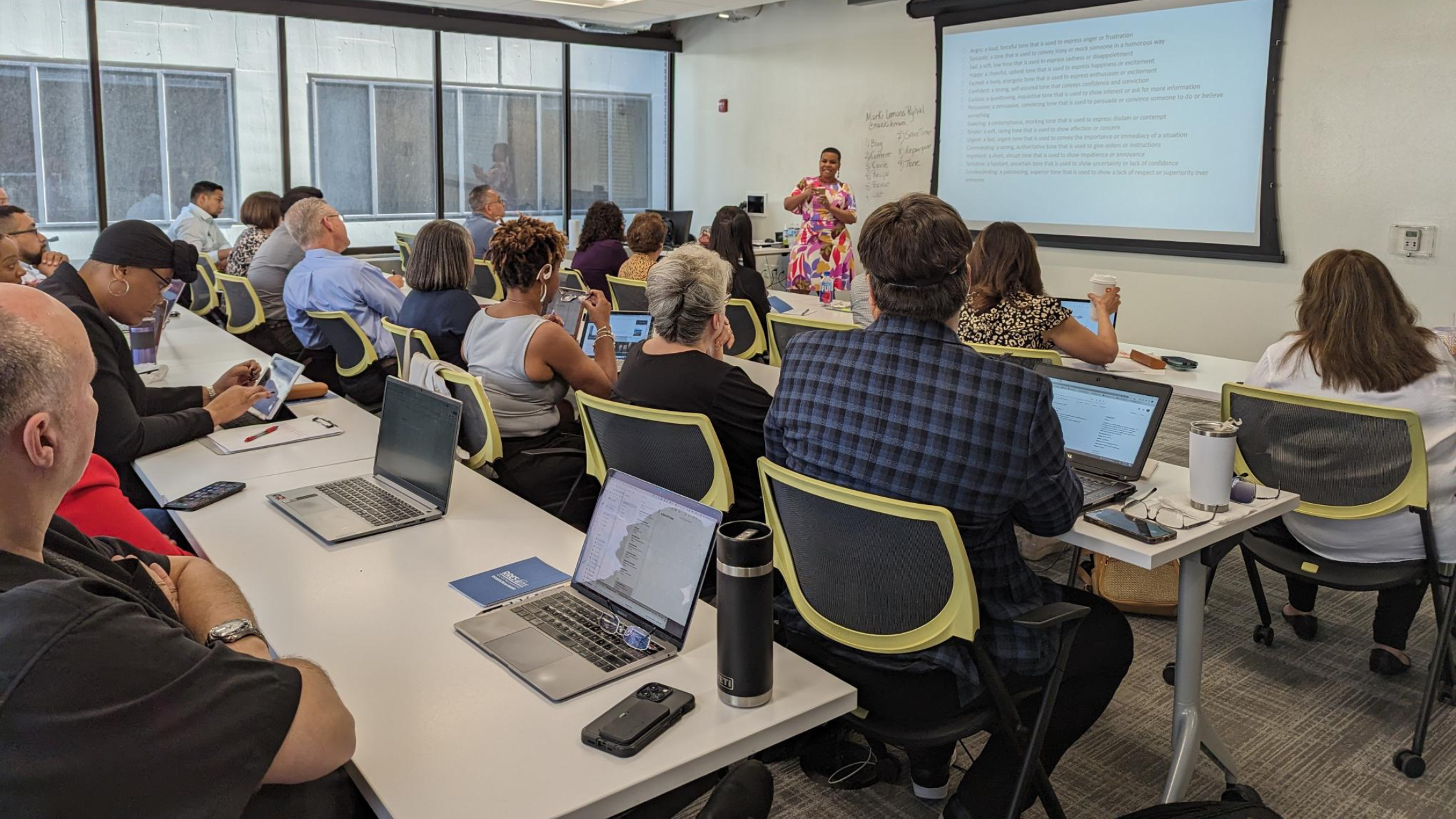
As a managing broker, Kate O’Neill takes a more educational approach. On Instagram and in workshops she leads, O’Neill helps other REALTORS® connect through clear, emotionally driven storytelling. She frequently encourages agents to share the real story behind their wins, not just the “just sold” posts. “A good story has ups and downs,” she says. “And not every deal is perfect. People connect to the struggle.”
The Power of Storytelling in Real Estate
Why does storytelling matter so much?
Because buying and selling real estate is fundamentally emotional. People are not just investing in property, they’re investing in identity, aspiration and a sense of belonging. Facts inform, but stories persuade.
When done well, storytelling:
- Builds trust before a client ever picks up the phone
- Differentiates your brand in a crowded market
- Demonstrates expertise without sounding like a pitch
- Provides emotional reassurance during stressful transactions
Button’s video tours are a perfect example. Rather than merely listing specs, she narrates the experience: “Here’s where I’d put the couch,” she says in one video, or “This unit faces east, so you’ll get morning sun while drinking coffee.” Her videos make prospective renters and buyers feel like they’re already home.
Cline’s neighborhood histories, like the story of Palmer Square’s trees or the rise and fall of the Riverview Amusement Park, build what marketers call brand affinity. His audience sees him not just as a
REALTOR®, but as a trusted local expert and community advocate.
And O’Neill’s Instagram shows the power of reflective leadership. In a recent post, she shares her experience winning a bake-off at a team meeting. This lighthearted but deeply human moment blended humor, humility and relatability. “Storytelling doesn’t always need to be sales-focused,” she says. “It can just be a reminder that you’re a real person.”
How to Identify a Story Worth Telling
Not every showing, transaction or social media post is a story, but many of them can be.
O’Neill encourages agents to reverse-engineer their stories by first identifying the emotional concerns of their audience. “Are they afraid of wasting money? Missing out on their dream home? Feeling overwhelmed?” From there, she coaches REALTORS® to build a bank of real stories like past transactions, client wins and even failures that speak to those exact fears.
One powerful example she gives in training: a buyer was panicking over a long inspection report. Rather than brush it off, she shared a real client story where the same issue was resolved with a repair credit and smart negotiation. “It’s a little story,” she says, “but it helped the client feel calm and seen.”
Button’s stories often come straight from the field. “I work with a lot of virtual clients,” she explains. “So when I’m filming apartment tours for them, I turn that content into public YouTube videos. That’s where I get most of my topics, real situations.”
Cline, on the other hand, mines stories from the neighborhood itself. His storytelling often starts with curiosity. “I was getting a burger at a coffee shop in Logan Square,” he recalls, “and the owner told me their building was actually cut in half when the city built the L tracks. You can’t find that stuff on Google. You’ve got to talk to people.”
Tips for Non-Writers & Non-Vloggers
You don’t need a fancy camera, an English degree or a viral following to tell better stories. Here’s what these professionals recommend for REALTORS® who don’t consider themselves natural storytellers:
- Start with what you know.
Cline puts it plainly: “I don’t try to appeal to everyone. I talk about what I love and what I know.” Whether that’s architectural quirks, design trends or first-time buyer fears, use your experience as your foundation. - Be authentically you.
“There will always be agents with more experience or higher GCI,” says Button. “But no one can do you better than you.” Her advice: Don’t separate your business and personal accounts. Let clients see who you are. - Simplify the structure.
A good story doesn’t need to be long. A beginning, middle and end — with a point — is enough. Think about it this way: Identify the challenge, explain what you did and share the outcome. - Watch your audience.
O’Neill teaches agents to observe body language. “If they’re fidgeting, looking at their phone or nodding with disinterest, you’ve lost them.” Tighten up and stick to what’s emotionally relevant. - Adapt to the platform.
Know where your clients are. If they’re on Instagram, think of Reels. If they’re on LinkedIn, a polished story post might work better. O’Neill tailors stories for each platform, such as longer text for Facebook and narrated clips for TikTok or Instagram Reels.
The Payoff: What Storytelling Gets You
Each of these REALTORS® has seen measurable business impact from storytelling:
- Button estimates she gets between 150 to 200 warm leads a month, mostly from social media. “By the time I get on the phone with them,” she says, “they feel like they already know me.”
- Cline has picked up multiple listings from locals who recognize him as “that guy from Instagram.” He’s become a go-to historian in the city, and people want to work with the expert.
- O’Neill uses storytelling to help agents make emotional connections faster. This is a key reason they choose to join or stay with her office. “It builds belonging,” she says. “That translates into loyalty.”
Your Turn: Storytelling Exercise
Ready to start?
Here’s a simplified version of the exercise O’Neill runs in her workshops:
- Define your audience. Are they first-time buyers? Downsizers? Condo sellers?
- List their common fears. It could be losing money, overpaying, making a mistake or getting overwhelmed.
- Pick three stories from your experience. This might include:
- A time you saved someone money
- A time you saved them stress or time
- A time you kept a deal together
Then practice telling those stories in different formats, such as:
- In conversation with a new lead
- In your next Instagram caption
- As a blog or newsletter
- On video
It’s Not About Perfection – It’s About Practice
“Your first video will be cringe,” says Button. “That’s okay. You grow by doing.”
Cline didn’t even think of himself as a storyteller until someone else pointed it out. “I just talk about stuff I care about,” he says.
And O’Neill’s advice for skeptics? “You don’t need to be polished. You just need to connect.”
So, whether you’re telling the story of a hundred-year-old tree, a tough inspection that turned out fine or a client who cried at closing, tell the story.
You’re doing more than selling homes; you’re using your professional expertise to connect with people and be remembered
ADDITIONAL STORYTELLING RESOURCES
Want to dive deeper into the art of storytelling? We’ve rounded up a few additional resources to help you sharpen your skills and find even more ways to connect with clients.
“Everybody Writes: Your Go-To Guide for Creating Ridiculously Good Content” by Ann Handley
“Everybody Writes” is a guide to engaging and retaining customers through standout online communication, reminding us that everyone is a writer in a content-driven world.
“Influence: The Psychology of Persuasion” by Robert Cialdini
If you want to become a more effective writer, “Influence: The Psychology of Persuasion” shows you how to weave persuasion into your words with integrity. Cialdini’s principles reveal why certain messages resonate, helping you create writing that is both more compelling and more powerful.
“Show Your Work!” by Austin Kleon
“Show Your Work!” helps writers build confidence and visibility by teaching how to share ideas, drafts and insights in a way that attracts an audience naturally. Kleon’s ten rules show how openness and consistency can transform writing practice into something people connect with and remember.
“The Elements of Persuasion: Use Storytelling to Pitch Better, Sell Faster & Win More Business” by Richard Maxwell & Robert Dickman
“The Elements of Persuasion” shows writers how to harness the timeless power of storytelling by breaking it down into five essential elements. With this framework, you’ll learn to craft stories that captivate readers, clarify your ideas, and make your writing more memorable and persuasive.
“The Elements of Style” by William Strunk Jr. and E.B. White
Small but powerful, this style manual shows you how to strip away clutter and write with clarity. By focusing on plain English, it helps you turn ordinary sentences into writing that connects and communicates with ease