



Real estate is an industry that rarely slows down — deals move quickly, schedules shift constantly and the pressure to always be available can feel relentless. For many women in the profession, those demands exist alongside caregiving responsibilities, leadership roles and the everyday work of managing a life outside the office.
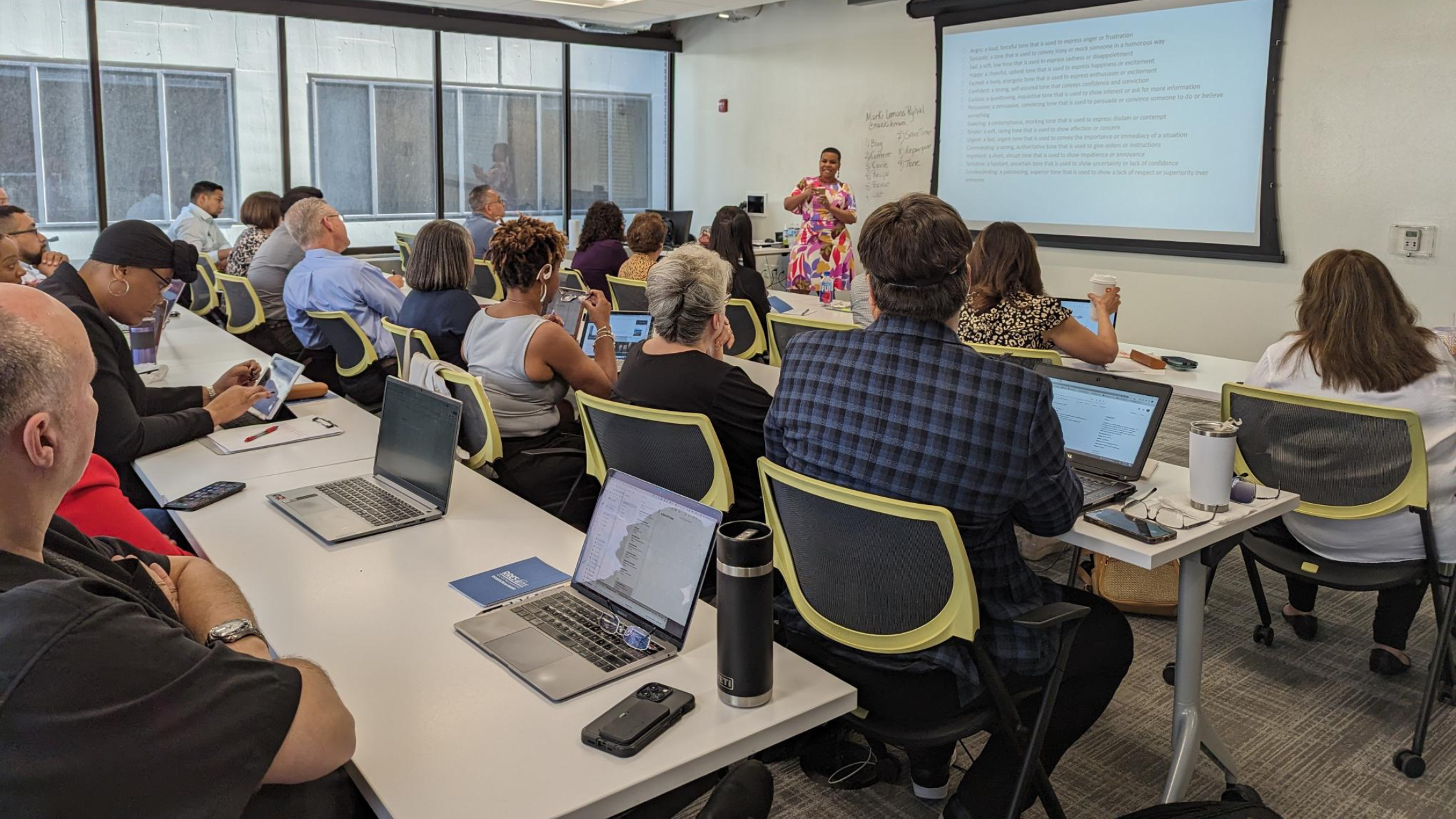
At the Titans of Industry: Women in Real Estate Brunch, the session “Stronger Than the Schedule: Wellness & Career Sustainability” tackled this reality head-on.
Moderated by Anne Appel, Wellbeing Therapist of Anne M. Appel, LCPC, the conversation brought together experts in mental health, wellness and leadership to explore how professionals can build sustainable careers without sacrificing their well-being.
Panelists included:
- Teirra Scott, Executive Director, Fitness Instructor and Educational Consultant, GODDESS Mentoring Incorporated | CuuuTeee Dance Fitness
- Dr. Lizette Solis, Founder, Psychologist & Consulting Services by Dr. Lizette Solis
- Dr. Anancia Stafford, LCPC, Owner, Psychotherapist, Professor and Life Coach, Inner Peaces Counseling and Consulting
Together, they offered practical strategies for protecting energy, setting boundaries and recognizing the signs of burnout before it becomes overwhelming.
What Causes burnout?
One of the first points the panel explored was how burnout often shows up in different ways for different people. For leaders and entrepreneurs in particular, the tendency to say “yes” to everything, including clients, opportunities and responsibilities, can create a cycle where stress quietly builds until it becomes difficult to manage.
Teirra Scott described three common forms of burnout she sees among high-achieving professionals:
- Overcommitment Burnout: When people consistently take on more than their capacity allows
- Emotional Burnout: When individuals absorb the stress and challenges of others
- Disorganized Burnout: When a lack of systems or structure makes workloads feel overwhelming
Many professionals experience a combination of all three, whether they know it or not. The first step toward addressing burnout is identifying the patterns and potential causes.
When Doing Less is More
Anne Appel noted that much of her work with high performers focuses on a challenge many professionals rarely consider: learning how to do less.
For people accustomed to excelling, productivity can become deeply tied to self-worth. When that happens, stepping back or setting limits can feel uncomfortable even when it’s necessary.
One message shared by Dr. Solis resounded throughout the room: “Wellness is not a reward at the end of success.”
Dr. Solis expressed that the first thing professionals sacrifice when life gets busy is rest. Completing every task on your to-do list and then some will not suddenly bring about wellness — it takes intentional, planned time to ensure you are meeting your own needs.
She also explained that many high-achieving women were raised or conditioned to equate success with constant productivity.
“Sometimes our drive is rooted in earlier experiences where we were praised for achievement,” she said. “We keep pushing forward without stopping to ask whether something needs to change.”
For many professionals, the real work is creating space for boundaries.
Protect Your Energy With Boundaries
Several panelists emphasized the importance of intentional boundaries. That might mean scheduling personal time the same way you schedule meetings, building moments of mindfulness into the day or finding small ways to integrate wellness into existing routines.
One strategy shared during the session was “habit stacking” — pairing wellness practices with everyday activities. For example, taking a walk while returning calls, practicing breathing exercises during quiet moments or building movement into daily routines.
These small adjustments can make wellness feel more manageable even during busy seasons.
This Generation of Women Is Carrying More Than Ever
The panel also highlighted a broader societal shift. Research shows that today’s generation of women is balancing more responsibilities than previous generations. Many are simultaneously building careers, raising families, pursuing education and serving as caregivers within their communities.
Dr. Solis noted that because this dynamic is relatively new, there is often no clear model for how to balance it all. Without clear examples to follow, many women continue pushing forward, often ignoring the signals their bodies and minds send when stress becomes overwhelming.
Over time, that stress can manifest physically through fatigue, anxiety, headaches, sleep disruption or other health challenges. Recognizing those warning signs early can make a significant difference.
Movement, Joy and Community Matter
For Teirra Scott, wellness became personal after experiencing serious stress-related health issues.
Searching for ways to improve her health, she realized that traditional workouts didn’t always feel motivating. That realization eventually led her to create CuuuTeee Dance Fitness, a community-based fitness experience that blends music, movement and social connection.
Her story reinforced an important point: wellness strategies work best when they feel enjoyable and sustainable.
“Taking care of yourself shouldn’t feel like another obligation,” she said. “It should feel like something that brings you energy.”
Movement, community and joy can all play important roles in managing stress and maintaining long-term well-being.
Redefining Success
Ultimately, the panel encouraged attendees to rethink how success is defined.
For many professionals, long-term success is not only about growth or recognition; it’s about building a life and career that remain fulfilling over time. That means protecting physical health, nurturing relationships, prioritizing rest and recognizing when it’s time to step back and reset.
Because the most meaningful success isn’t just about what you achieve. It’s about building a career and a life that you can sustain.