
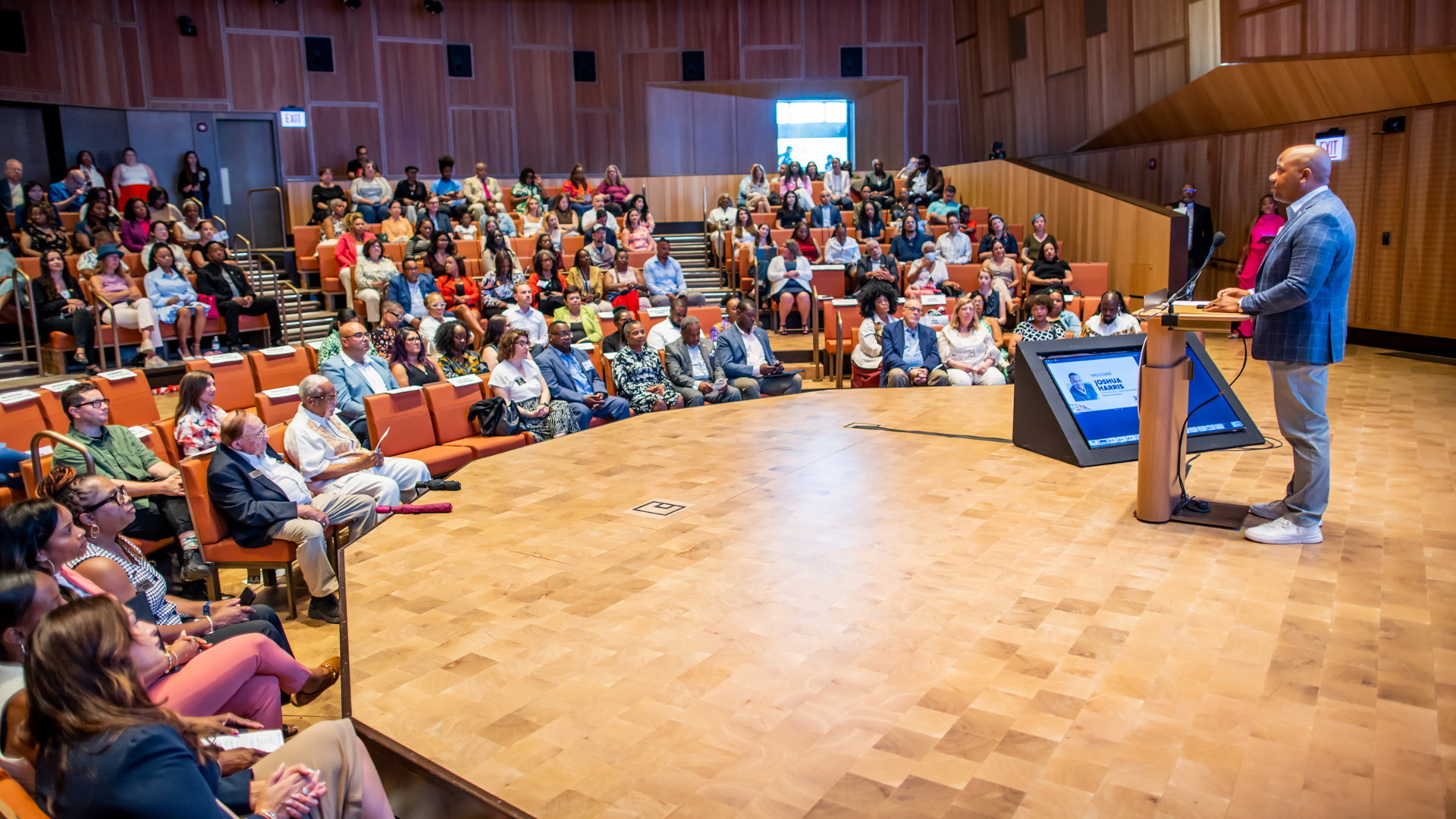
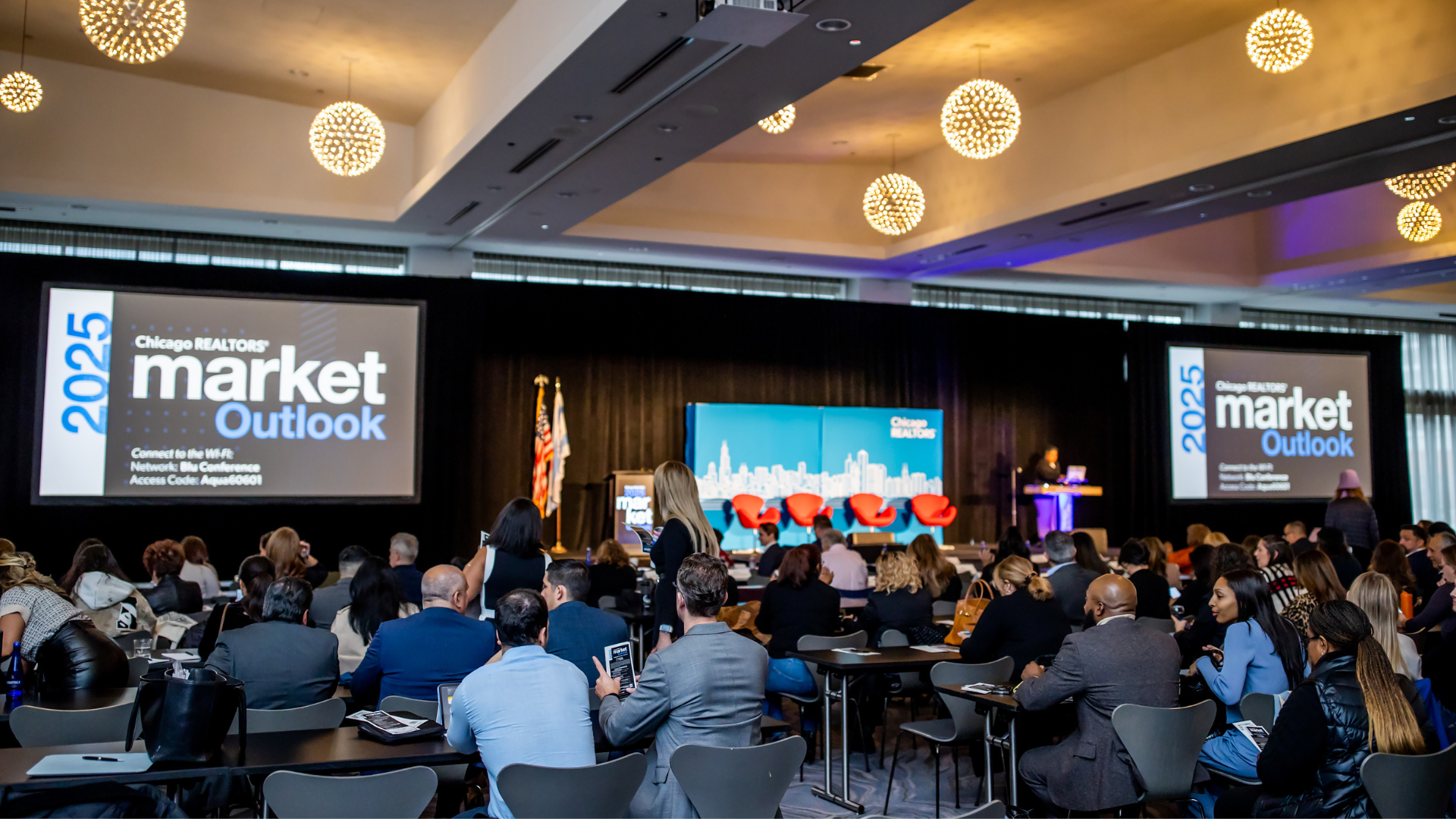
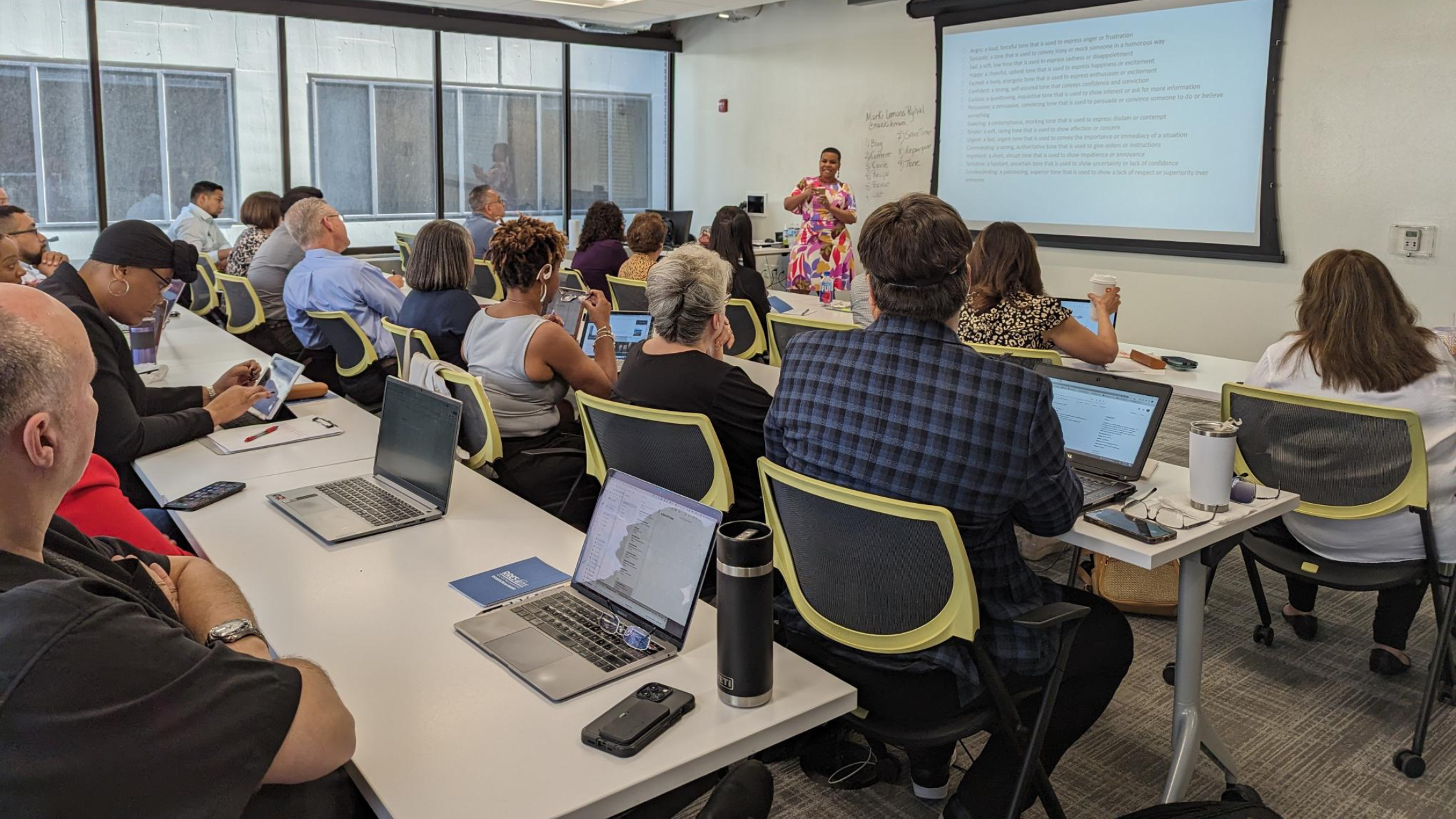

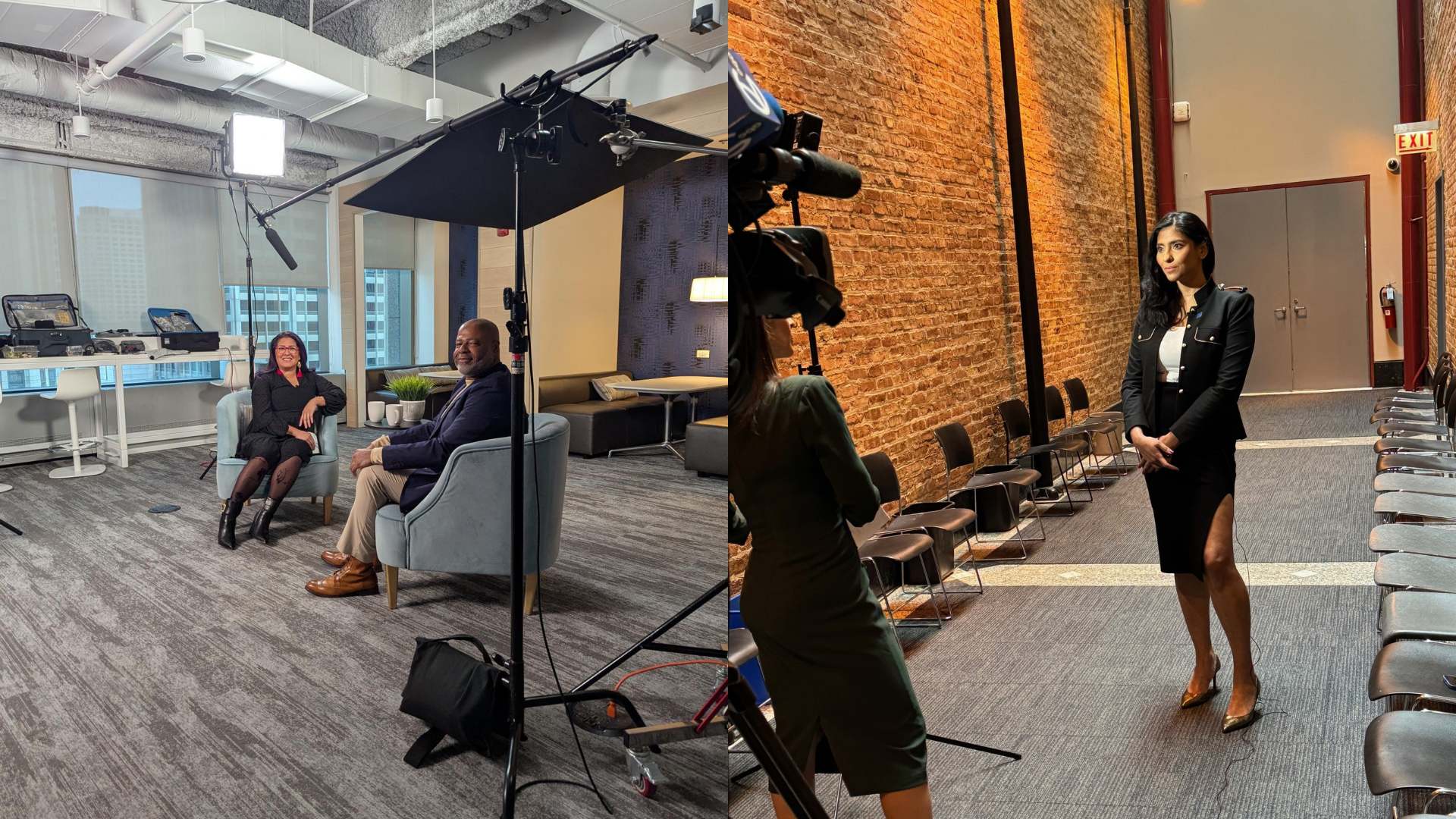

Breaking into commercial real estate can feel complex at first, but the path becomes clearer when you learn directly from professionals working in the field. At the CommercialForum event, Kickstart Your Career in Commercial Real Estate, industry leaders shared practical guidance on how to enter the business, understand the financial fundamentals and build a long-term career.
Our Featured Speakers
- Chris Pezza, VP of Development, Corcoran Urban Real Estate
- Dan Wagner, SVP of Government Relations, The Inland Real Estate Group of Companies
- Mike McElroy, Managing Broker, Kale Realty
And Panelists
- Chris Pezza, VP of Development, Corcoran Urban Real Estate
- Myra Nimchaiyong, Director of Commercial Real Estate, CENTURY 21 SGR, Inc.
- Ri Prasad, Broker, Kale Realty
- Tim Ryan, Commercial Broker, @properties Commercial
Together, they shared perspectives on entering the industry, understanding investment fundamentals and building a successful career in commercial real estate. Didn’t attend but still want to gain valuable insights? Explore the presentation slide decks from speakers Chris Pezza and Dan Wagner.
What Financial Fundamentals Drive Commercial Real Estate?
Understanding the numbers behind a property is essential for anyone entering commercial real estate. Chris Pezza emphasized that investors focus primarily on two key metrics: Net Operating Income (NOI) and the capitalization rate. “It’s all about NOI and value add,” Pezza explained. “That’s why investors buy properties.”
NOI represents the income a property generates after operating expenses are deducted from revenue. Investors then use the capitalization rate to estimate a property’s value based on its income potential. Pezza explained that improving a property’s income or reducing its risk can significantly increase its value. “If you can buy an 8 cap and de-risk it to turn it into a 6 cap, you’ve just made a significant profit,” he said.
For new commercial practitioners, understanding how these financial concepts shape investment decisions is one of the most important steps in building credibility with clients.
The Tax Code Every Investor Should Know
Dan Wagner discussed another important tool in commercial real estate: the 1031 exchange. This provision in the tax code allows investors to defer capital gains taxes when selling a property and reinvesting in another qualifying property.
Wagner shared a story that demonstrated how impactful this strategy can be. “We had a REALTOR® in Manhattan who helped an elderly couple who owned a deli transition into retirement using a 1031 exchange,” Wagner said. “They went from working tirelessly to earning $50,000 a year in passive income.” For REALTORS®, understanding how 1031 exchanges work can help clients protect their investment returns while planning for the next stage of their portfolio.
Your Insights Are Important
Commercial real estate is also shaped by public policy. Mike McElroy encouraged REALTORS® to stay informed and involved in policy conversations that affect the industry. “We need your insights,” McElroy said. “Your boots-on-the-ground experience is invaluable in shaping policies that affect our industry.” Engaging with industry advocacy efforts and attending policy discussions can help REALTORS® understand how regulations influence development, investment and property use. It also strengthens the industry’s collective voice when communicating with lawmakers.
If you’re interested in getting involved and learning more, join us at an upcoming Coffee With Your GAD event.
The Keys to Building a Career in CRE
Our panelists then discussed what it takes to build a career in the field. One important takeaway was that a real estate license offers access to many commercial sectors, including retail, office leasing, hospitality and mixed-use development. However, entering the industry often requires persistence.
Some professionals described spending years building relationships and learning the language of commercial real estate before gaining traction. Networking events, mentorship and continuing education programs, such as CCIM, were highlighted as valuable ways to strengthen expertise and expand professional connections.
Understanding financial concepts and industry terminology can also help professionals establish credibility with clients and colleagues. “When you understand the language of commercial real estate, people understand that you know what you’re talking about,” one panelist noted.
Specialization and Adaptability in a Changing Market
While developing expertise is important, panelists also emphasized the value of remaining flexible as the market evolves. Many professionals begin in one sector and later expand into others as opportunities arise. Adapting to market demand can lead to new business opportunities and broader experience across property types. Ri Prasad summarized this approach simply: “I say yes to everything and then do the research and figure it out.” This willingness to learn and adapt can help professionals navigate shifting market conditions and uncover new opportunities.
Trends Shaping the Future
Speakers also discussed several trends influencing the commercial real estate landscape. Experiential retail continues to grow as shopping centers focus on entertainment, dining and interactive experiences.
The office market is evolving as companies rethink workspace needs and prioritize amenities and flexibility. Adaptive reuse is another emerging opportunity as cities explore ways to convert underutilized office buildings into residential or mixed-use developments.
At the same time, increasing demand for data and artificial intelligence infrastructure is creating interest in data centers as a growing asset class. Understanding these trends can help REALTORS® anticipate where future investment and development opportunities may emerge.
Moving Forward in Commercial Real Estate
Speakers reinforced that success in commercial real estate requires a combination of technical knowledge, professional relationships and ongoing engagement with the industry. By understanding investment fundamentals such as NOI and capitalization rates, learning how tools like 1031 exchanges support investment strategy and staying informed about policy and market trends, REALTORS® can position themselves for long-term growth in commercial real estate.
For those considering this path, the message from industry leaders was clear. Build your knowledge, develop strong relationships and stay engaged with the industry as it continues to evolve.