




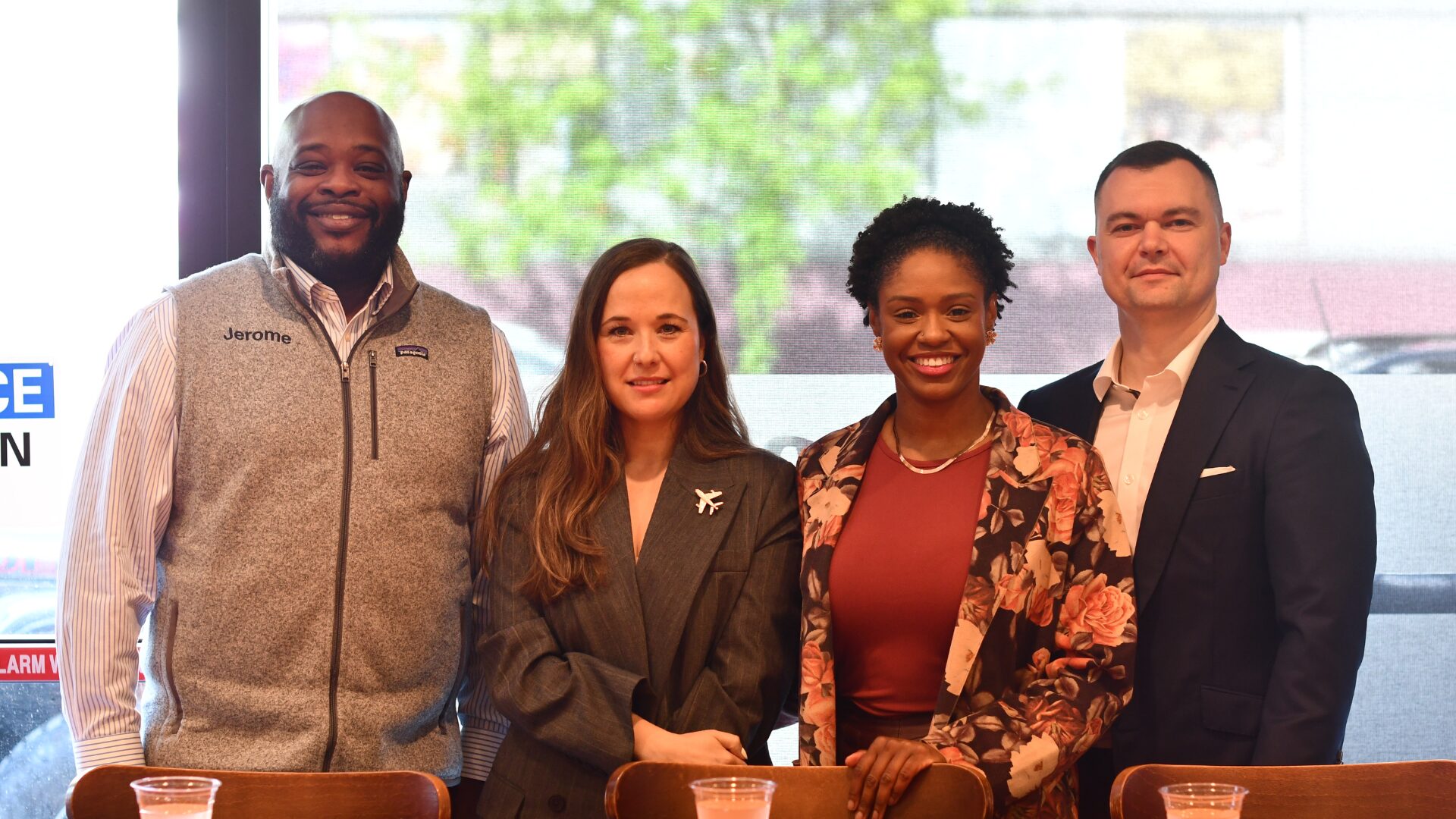
At April’s YPN Breakfast, our panel revealed the transformative practice that built their success: database management. They broke down the disciplined, daily habits that turn casual contacts into lifelong clients and consistent referral sources. The revelation? Your database isn’t just a contact list — it’s your most valuable business asset.
Meet the panel here.
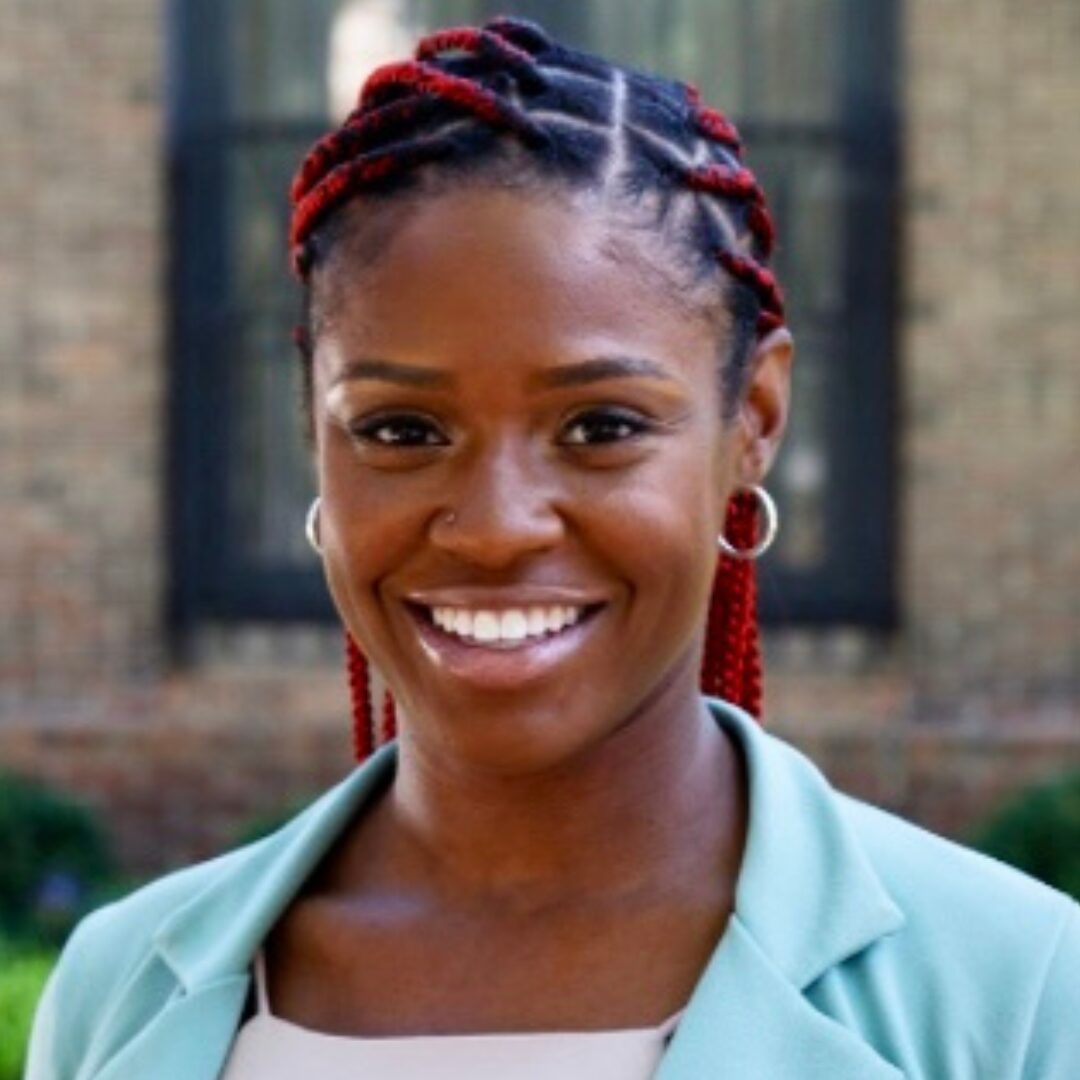
Jean Walker
REALTOR® | Redfin Corporation
Moderator
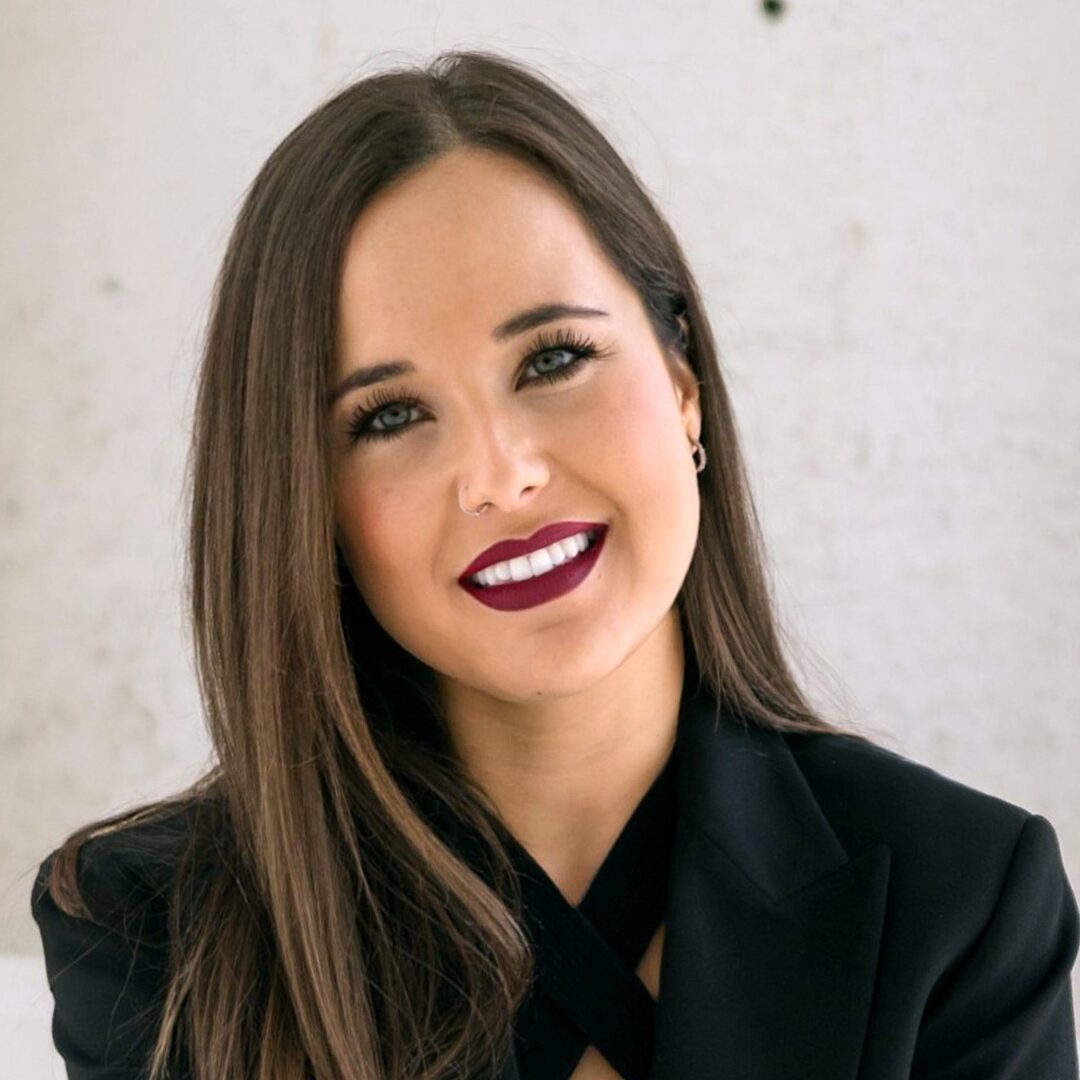
Ainhoa Garcia Jimenez
Team Lead & Founder | Realty of America
Panelist
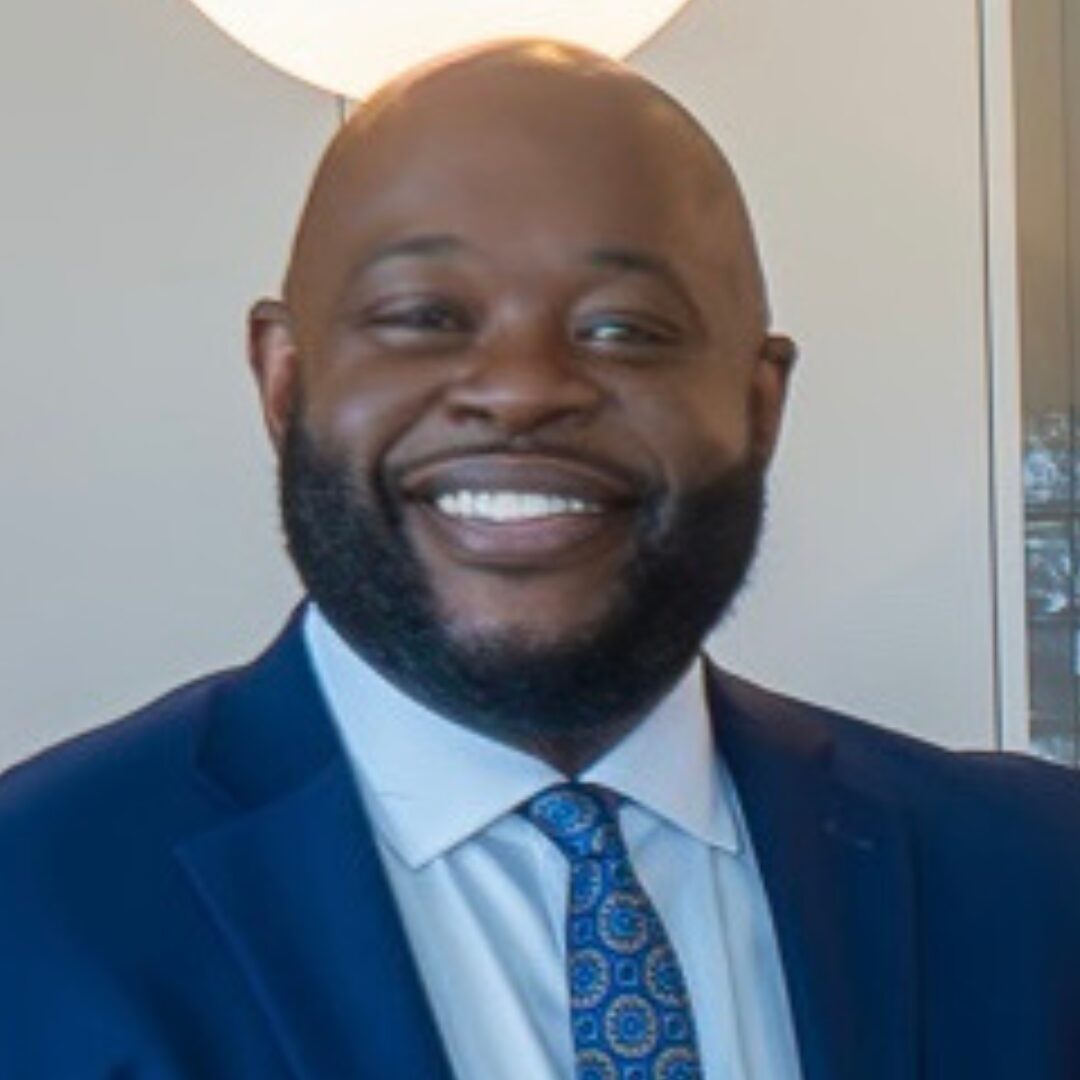
Jerome Harper
Co-Founder & Managing Partner, The Collective | Keller Williams ONEChicago
Panelist
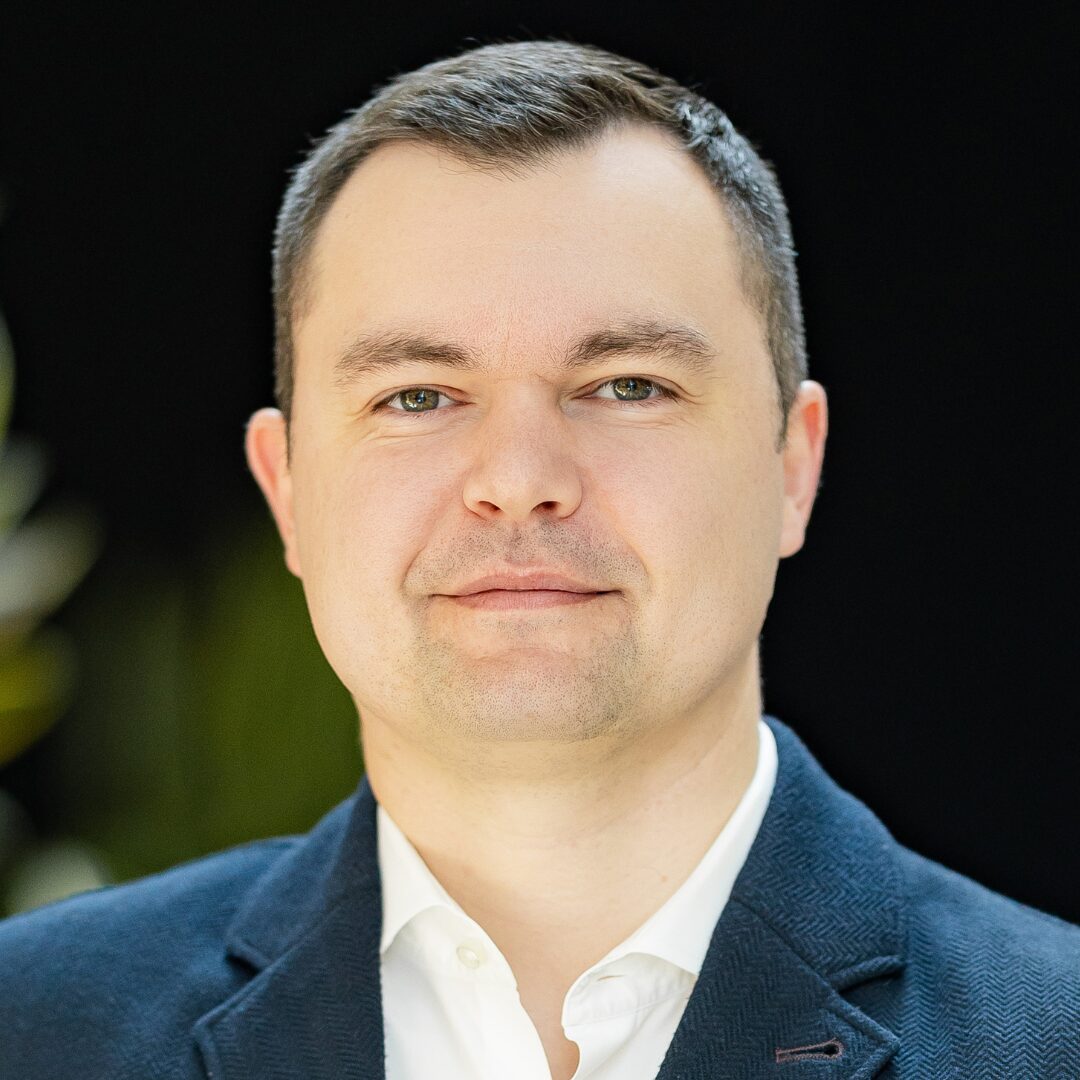
Oleg Komarnytskyy
Owner & Founder | KOMAR
Panelist
How the “36 Touch System” Helps REALTORS® Stay Top of Mind
One of the most practical takeaways came from Jerome Harper, who promoted the “36 Touch” system: a minimum of 36 communications per year with each contact in your database. The system is based on the “33 Touch” model from Gary Keller’s The Millionaire Real Estate Agent.
Harper put it simply:
- 1 text per month
- 1 email per month
- 1 phone call per month
That adds up to 36 intentional touchpoints per year with each contact.
And if that sounds like too much, Jerome offered a reminder: “How many people in the room get more than one email a month from Amazon, Fashion Nova or some other online platform? You have something of value to send them.”
The key takeaway: consistent communication is not being pushy when you are providing value.
Oleg Komarnytskyy reinforced the same idea through his daily routine. Each morning, he reviews his current contracts, potential clients and active clients, spending focused time inside his database. As he put it: “This is your gold mine.”
The bottom line is: A strong database does not work on its own. The agents who get results are the ones who consistently follow up, provide value and stay top of mind.
What can building authentic relationships look like?
Authenticity was another major theme from the panel: real connection starts before the real estate conversation.
Ainhoa Garcia Jimenez’s approach: when someone shares their Instagram instead of a phone number, she does not force a traditional follow-up. Instead, she uses social media to better understand who they are. That might include noticing:
- Pets
- Family milestones
- New jobs
- Local interests
- Major life updates
Those details give her a more natural way to reconnect and build a relationship beyond a single conversation.
Harper echoed that same idea through his team’s community knowledge and insights. Their content includes highlighting local businesses and speaking honestly about advocacy issues impacting homebuyers and sellers.
The takeaway? Authentic follow-up is about paying attention, leading with value and building trust before real estate ever enters the conversation.
How Do You Scale Operations without losing personal touch?
As agents grow into team leaders and brokerage owners, one challenge becomes clear: how do you maintain real relationships while scaling your operations?
For Jimenez, the answer is a CRM system her team uses consistently. They rely on color-coded lead tracking, ranging from:
- Dark blue: future nurture
- Red: hot and in progress
Those leads are updated weekly and reviewed in depth during monthly projection meetings, helping the team stay aligned on where each relationship stands.
But the real power of CRM management is tracking people.
Jimenez shared that her team keeps their CRM open as a constant browser tab throughout the day. “We don’t forget when somebody just had knee surgery and we just saw it on Facebook. We put a little note in there. So we make sure to follow up the next day,” she explained.
What If Every Rejection Were Actually a Future Referral Source?
One sentiment our panelists agreed on unanimously is that every interaction is fuel for your database. Komarnytskyy shared how he turned for-sale-by-owner listings into referral sources early in his career by treating them well and staying in touch. “I got referrals from for-sale-by-owners … they become your friends and then you get referrals from them.”
The bigger lesson: every interaction is a chance to build your reputation, even when it does not lead to immediate business. As Komarnytskyy challenges: “Don’t wait for the client to show up. Call all the neighbors … there’s a lot that we can create.”
Good follow-up changes the way REALTORS® think about rejection. Not every conversation becomes a client right away, but every conversation can become part of a stronger database, a future relationship or a new referral source.
The Bottom Line
During the panel, these REALTORS® reminded us that success still comes down to fundamentals: consistent communication, authentic relationships and systematic follow-up. As Harper concluded, “Most REALTORS® are looking for something else to do other than calling their database. Don’t do that.”
Your database should be the foundation of sustainable, long-term growth. And in Chicago’s competitive market, that foundation makes all the difference between surviving and thriving.
Get started tomorrow: Set aside one hour tomorrow morning, open your CRM and begin the daily discipline that transforms contacts into clients, and clients into advocates.
Looking for other database tips and resources? Check these out!
- How I Spend My Budget from Chicago REALTOR® Magazine
- Stay Top of Mind: The 33 Touch Plan from Chicago REALTOR® Magazine