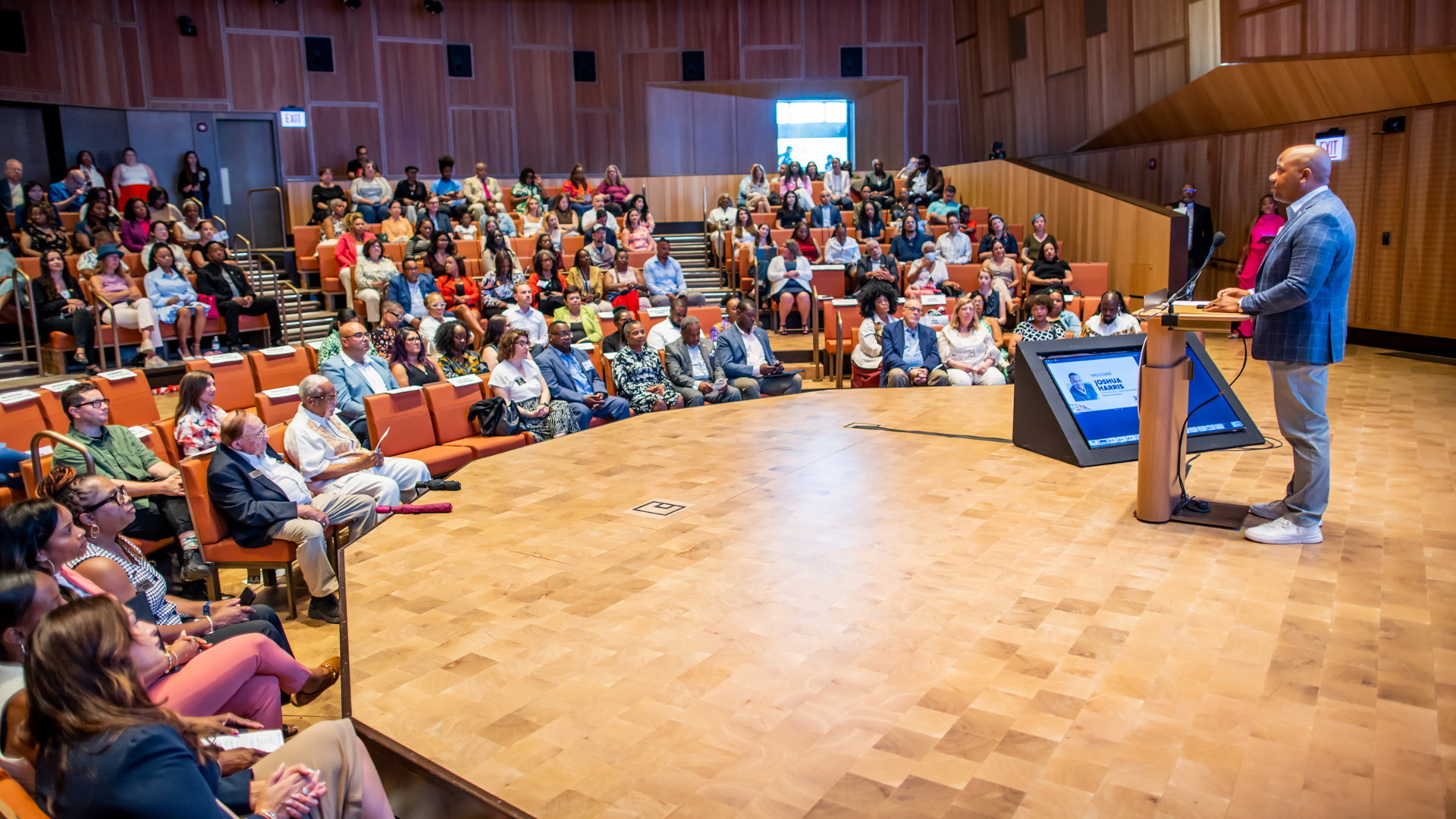
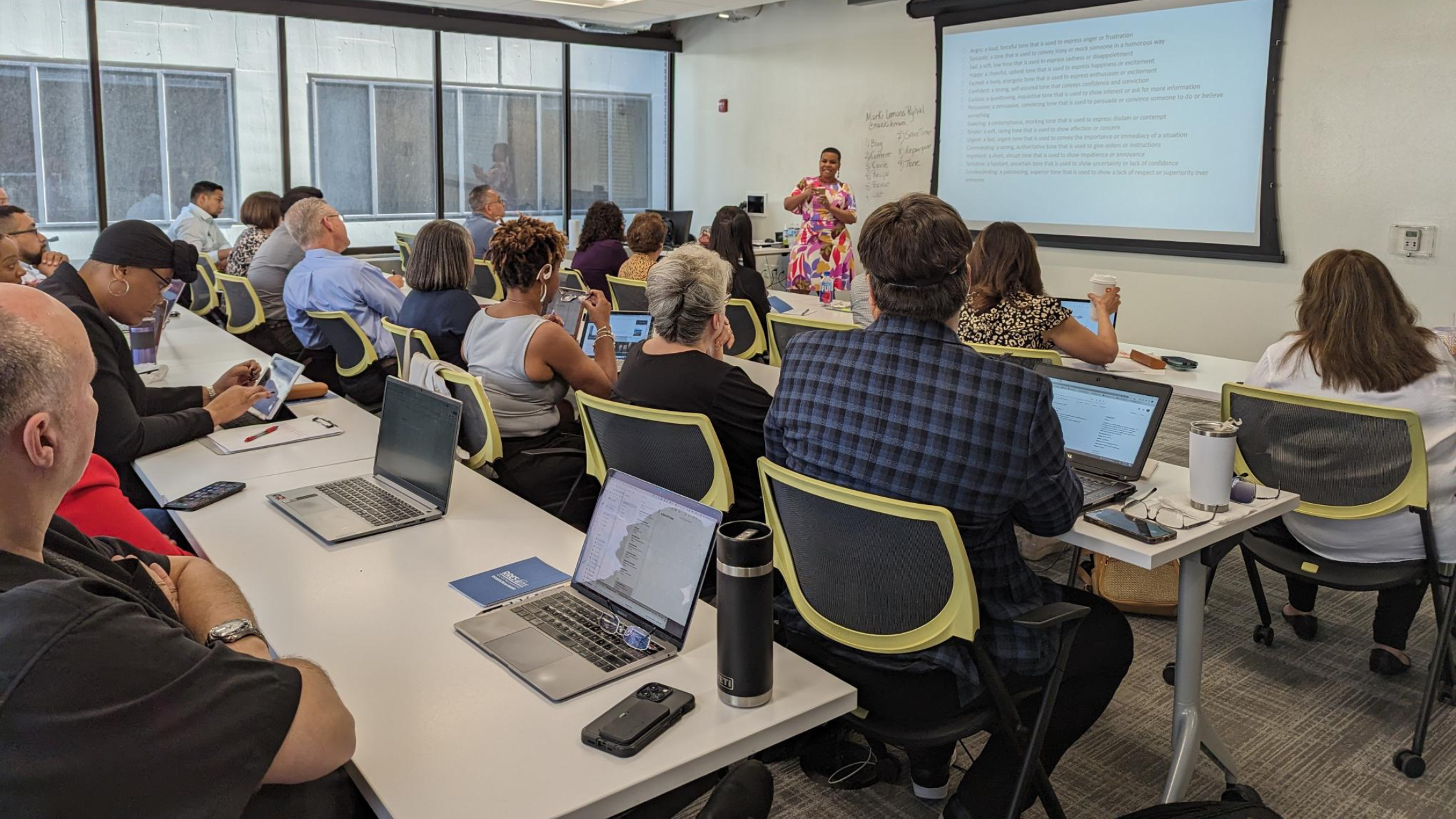
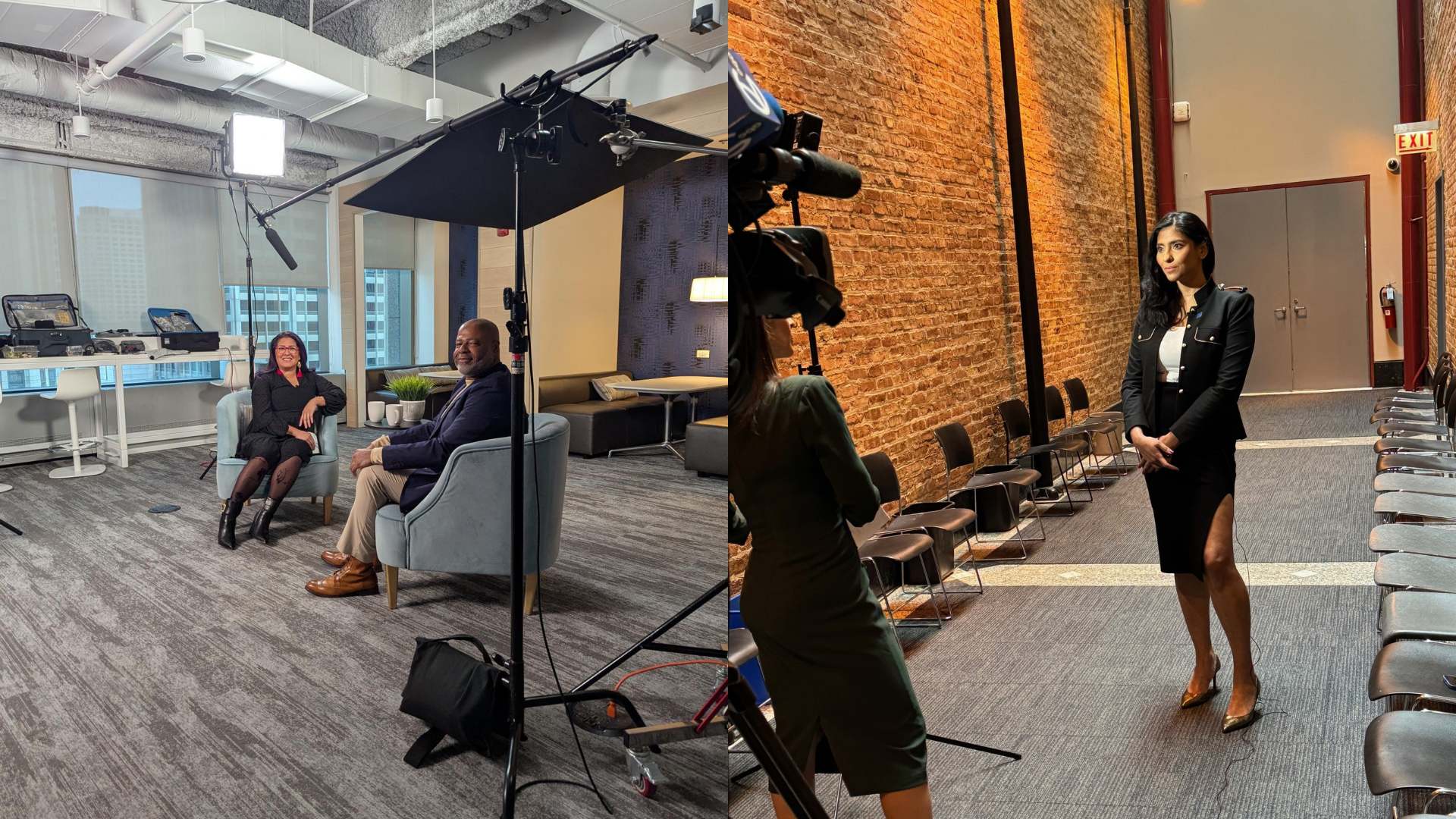

At CommercialForum’s Power Lunch on June 30th, Founder and CEO of JDL Development Jim Letchinger dove into the process of of turning what was once known as Lincoln Yards into Foundry Park, the roughly 3,000-unit neighborhood rising on the old Finkl Steel site between Lincoln Park, Bucktown and Wicker Park. Moderator Antje Gehrken, President of A.R.E. Partners, lead the conversation on financing, zoning, sustainability and what keeps a developer betting on Chicago after four decades in the business.
Watch Letchinger’s full presentation below, or continue reading for key insights into how he’s bringing this megaproject to life.
What Is Foundry Park?
For more than 100 years, the site was home to Finkl Steel. When Finkl sold and the existing manufacturing designation lifted, the property changed hands once before landing back with the bank. Letchinger had watched the site for years and moved fast once it became available again, striking a deal with capital partner Kane Anderson about a year ago. Planning moved fast from there: a site plan by fall and city approval on a new planned development by February.
The name pays homage to to the site’s industrial history, but the project itself is anything but industrial: a mixed-use neighborhood built around a public park, connected to the future Bloomingdale Trail extension (known as “The 606”) and framed by riverfront green space.
the numbers behind the first phase
The first phase alone includes:
- Almost 6 acres of development
- 4 buildings
- 700 apartments
- 51 condos
- More than 200,000 square feet of commercial space
- A boutique hotel
- A public central park anchoring the site
The final build is much larger:
- Roughly 3,000 residential units spanning single-family homes, townhomes, apartments and high-end condos
- A dedicated senior living component
- A fitness and residential tower developed with Lifetime
- Medical office space
- A boutique grocer in the 20,000 to 25,000 square foot range
Key insights from Jim letchinger
Location drove every decision
Letchinger pointed to the site’s position between three of Chicago’s strongest low-density neighborhoods as the reason institutional capital came to the table. “Location is number one,” he said, and it’s the same principle that shaped his read on which properties recovered fastest after the 2008 downturn.
The plan pivoted to residential because the market did
A decade ago, Foundry Park’s predecessor was envisioned as a 9 to 10 million square foot office campus. Letchinger said that vision didn’t survive COVID’s impact on office demand, so JDL designed almost exclusively around residential, with light commercial and retail layered in.
Speed is treated as a competitive advantage
Letchinger credited the pace of the project to working relationships built over 35 years in Chicago and to the Department of Planning’s own push to move faster under Commissioner Boatwright. “Time kills real estate deals,” he said more than once, and it’s shaped everything from how quickly JDL locked in its capital partner to how the first phase was sequenced.
Capital is watching returns closely
Letchinger said equity investors are underwriting to roughly a 25% IRR given construction costs, tariff uncertainty and a string of stalled projects across the city. Debt, by contrast, isn’t the constraint. JDL expects to go to market for a $450 to $500 million construction loan within weeks of the event and doesn’t anticipate trouble finding lenders.
Sustainability requirements are reshaping design choices
New building codes require all-electric systems, including cooking, which adds pressure on electrical infrastructure and on-site utility vaults. JDL is also restoring natural riverbank habitat in place of the metal sheeting that lines much of the river today, and every window is being treated with bird-safe frit in coordination with local birding groups.
Affordability remains a work in progress
Foundry Park falls under the city’s 20% Affordable Requirements Ordinance, split between on-site units in two first-phase buildings and contributions to the city’s Affordable Housing Trust Fund. Letchinger was candid that the program, as structured, doesn’t fully solve Chicago’s affordability challenge, but it is a requirement JDL is meeting across the project.
Workforce development is a growing concern
JDL has built training facilities to help young people qualify for union trade jobs, but Letchinger said uptake has been lower than hoped. He sees a broader need to rebuild interest in the trades as the current labor force ages out, calling it one of the bigger long-term risks to projects like this one.
What’s Next for Foundry Park
- Fall 2026: Groundbreaking on the first phase
- Late 2028/early 2029: First phase delivery
- 5 years out: Roughly 60% of the full project built
- 7 to 10 years out: Remaining phases started and completed, pending market conditions
Letchinger was clear that timelines beyond the first phase will depend on interest rates, construction costs and market demand, and that JDL is prepared to adjust pace if conditions shift. What won’t change, he said, is the commitment to finishing what’s been started.
Get Involved with CommercialForum
Conversations like this one are exactly why CommercialForum exists: to give Chicago’s commercial real estate professionals insights to the forces shaping the city’s projects. If you want to get more involved with CommercialForum’s programming, learn more and get connected here.