




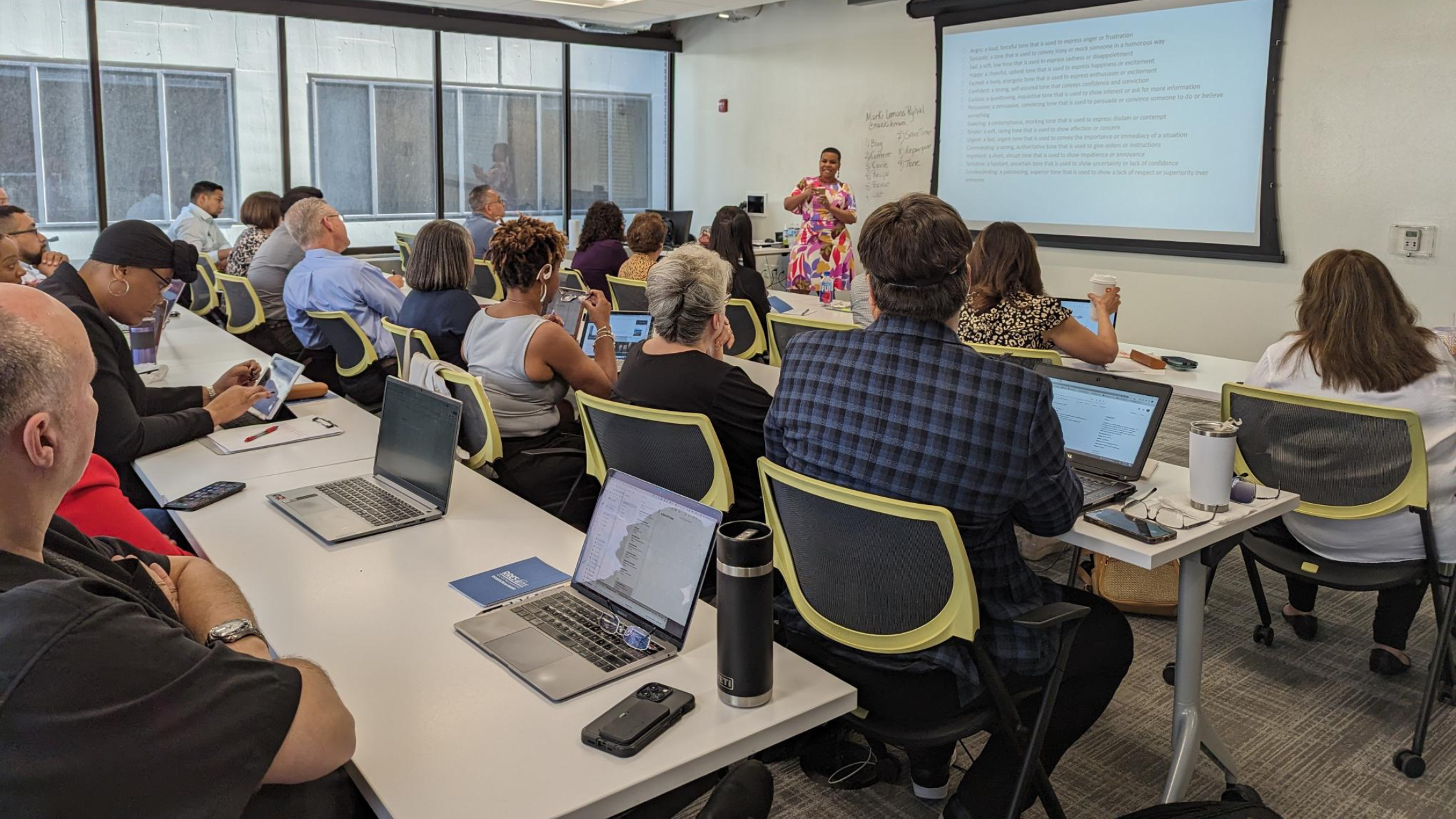

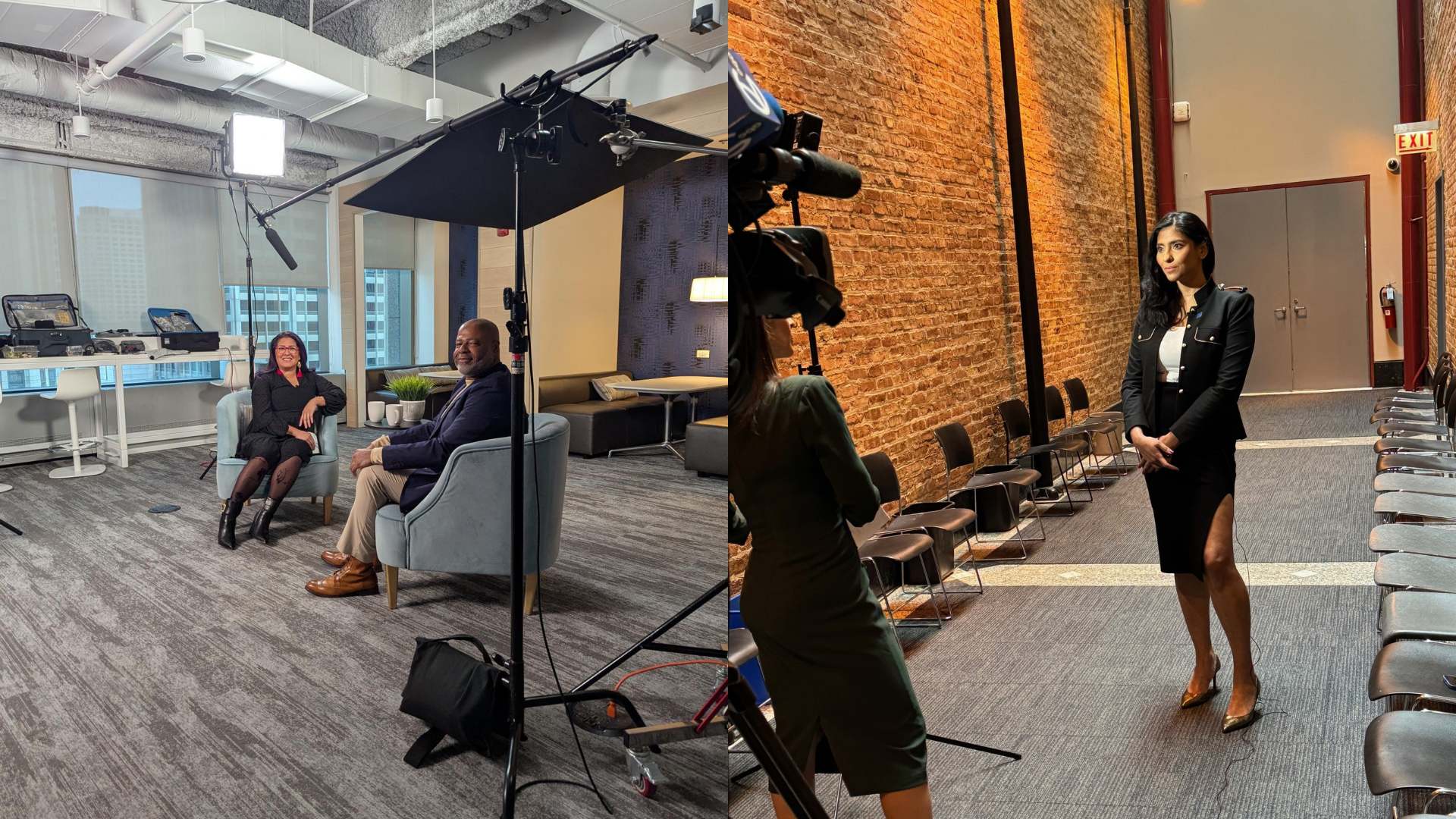

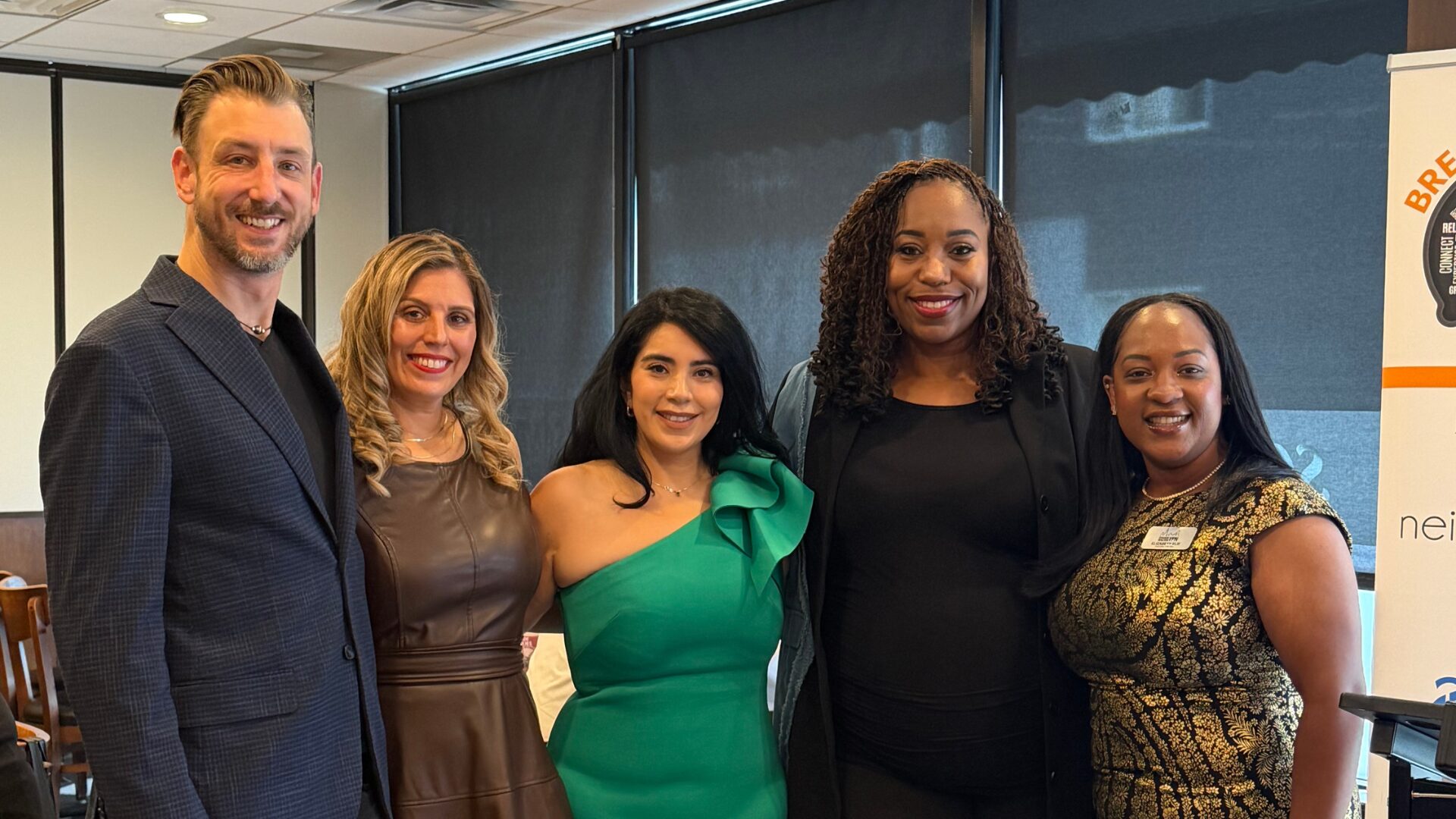
As a REALTOR®, you open doors for strangers for a living. It’s part of the job — and most of the time, it goes just fine. But as moderator Liza Irazoque, Realty of America, put it at our latest YPN Breakfast, “We always put the blinders on because we love our career.” This panel was about taking those blinders off.
Three local professionals shared the routines, tools and instincts that keep them safe in the field, as well as the lessons they wish someone had shared with them when they were starting out. Keep reading for their top takeaways.
Meet the Panel!
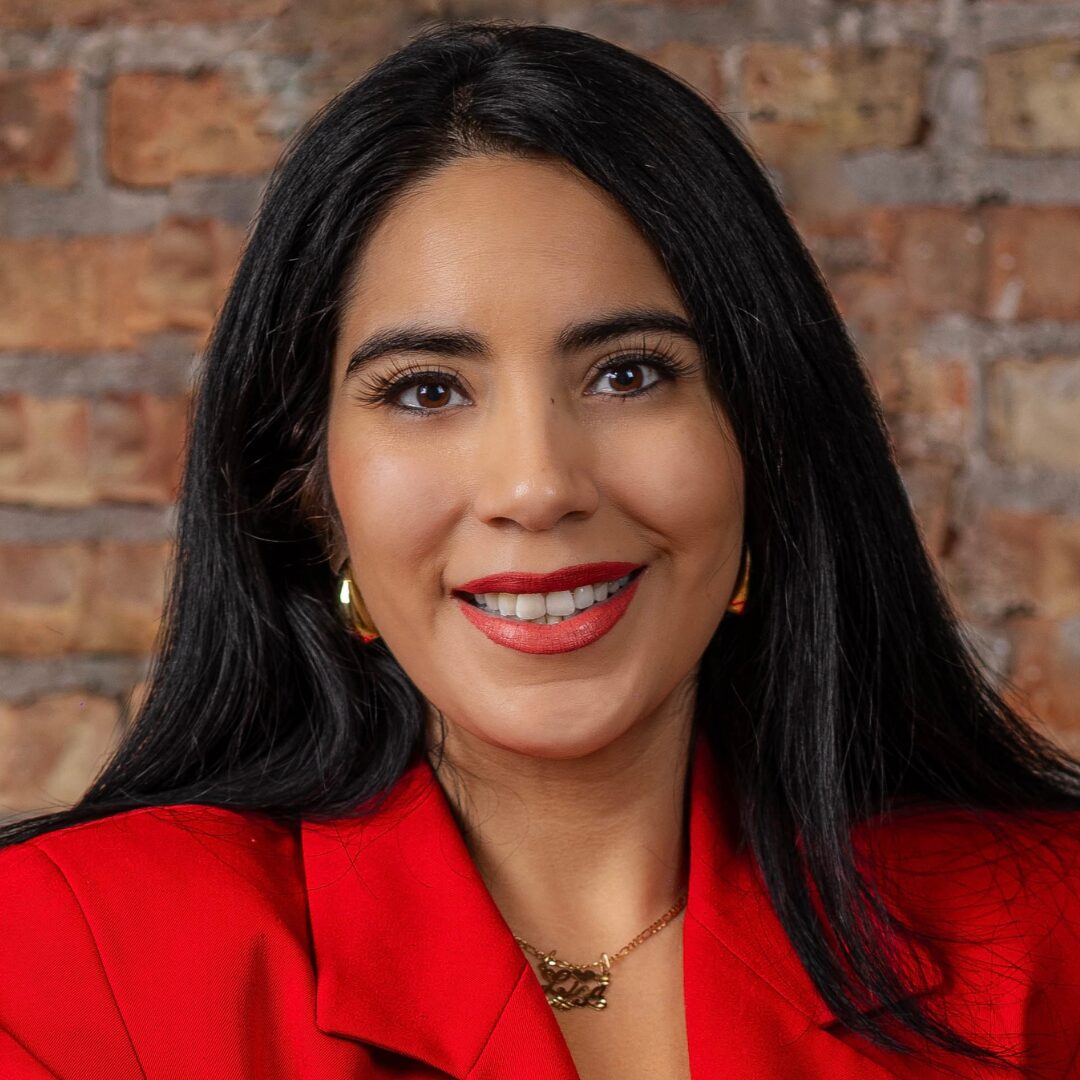
liza irazoque
YPN Advisory Board Member
REALTOR® | Realty of America
Moderator
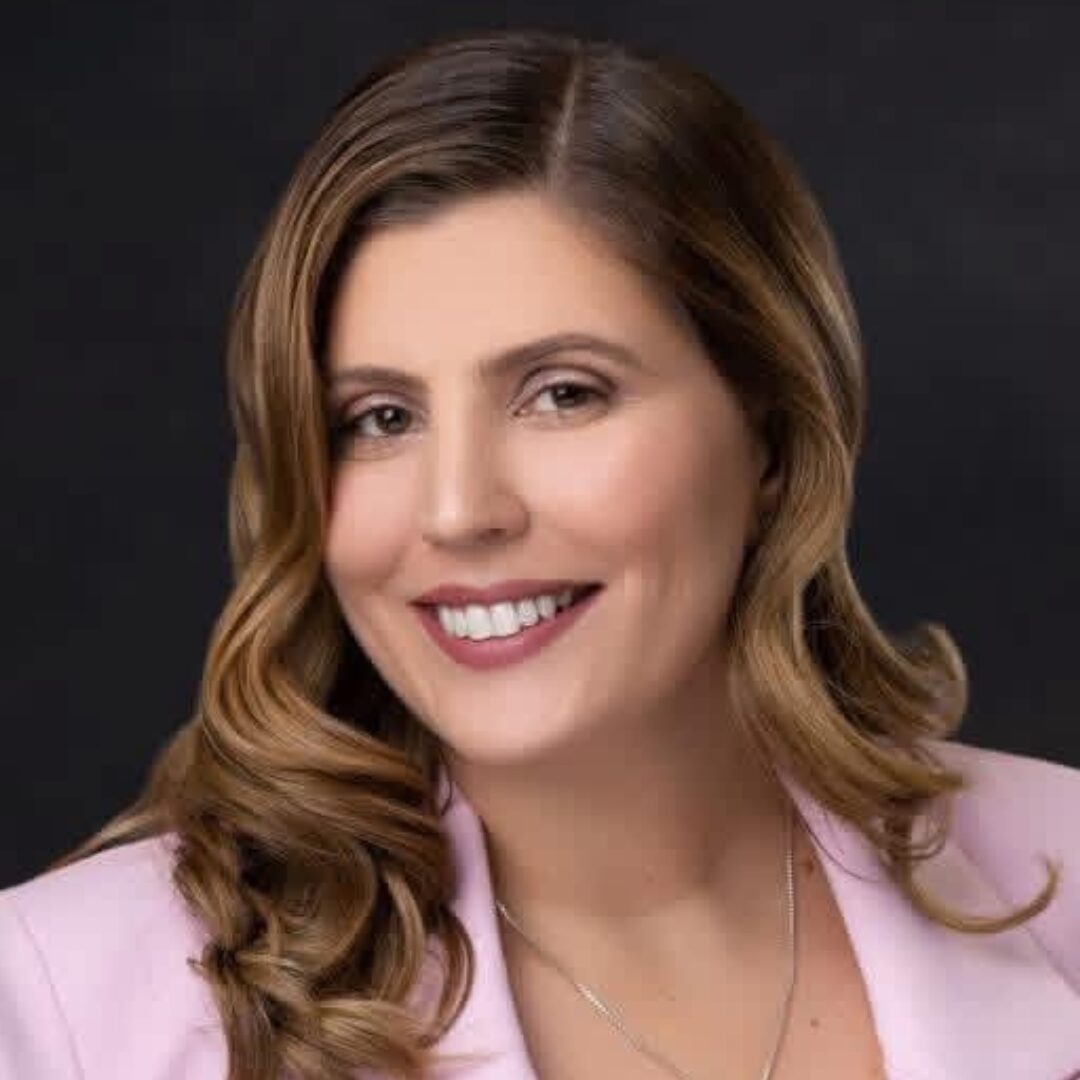
Tiffany Jimenez
REALTOR® | Fulton Grace Realty
Panelist
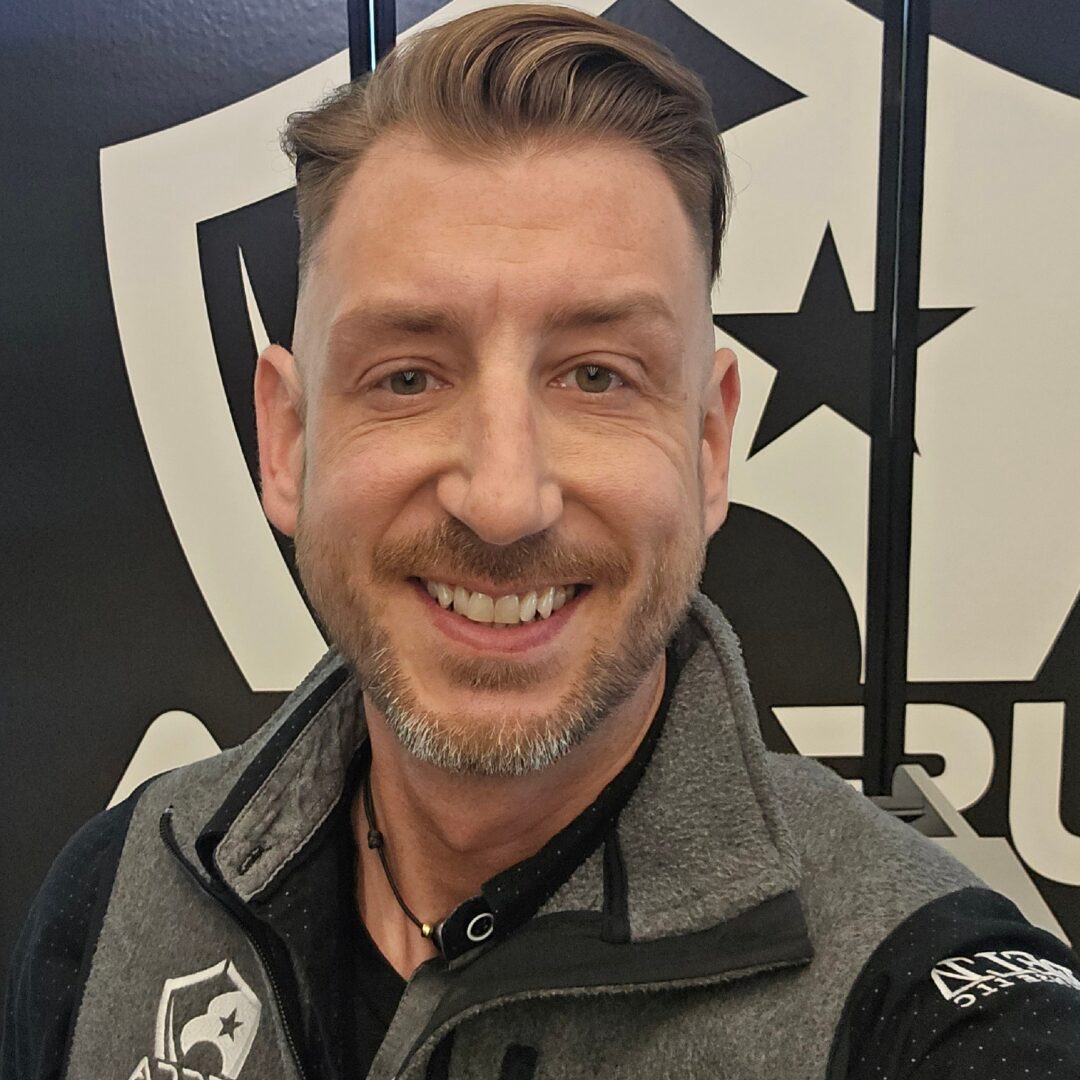
Mike Liden
Account Executive | Delta Defense – USCCA
Panelist
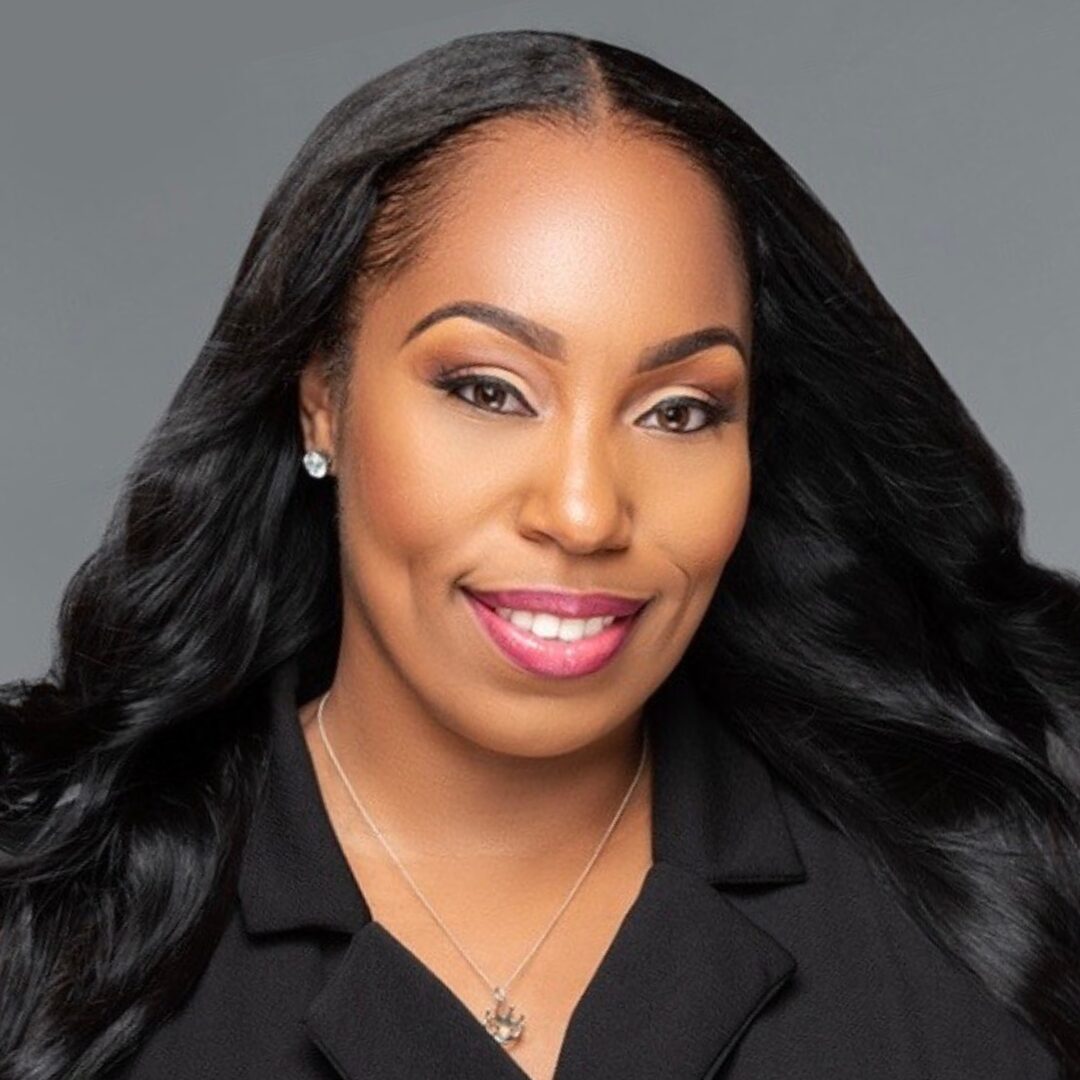
Cierra Thurman
REALTOR® | Keller Williams ONEChicago
Panelist
Run Forewarn Before You Open the Door
If there’s one tool the entire panel agreed on, it’s Forewarn, and they all agreed that most agents aren’t using it enough.
With just a phone number, Forewarn can surface a contact’s full name, address, vehicle information and criminal background. Tiffany Jimenez, Fulton Grace Realty, has had two situations where it stopped her from moving forward with a prospect. In one case, a text about an investment property turned up a completely blank profile — a ghost — which was a red flag in itself.
Cierra Thurman, Keller Williams ONEChicago, put it simply: “Trust, but verify. You’re meeting strangers. Verify the information they’re giving you.”
What You Can Do: Make Forewarn part of your intake routine for every new prospect, buyer and seller. If something doesn’t match up, such as a name, number or profile, treat that as a red flag and proceed with caution.
Meet New Clients in a Public Place First — Not in the Field
Thurman, who brings 16 years of law enforcement experience to her real estate practice, is direct on this one: she does not meet unrepresented buyers at properties. Ever.
“It’s very dangerous for us to be meeting people we do not know in vacant homes,” she said. Her intake process requires a full name, phone number, email, government-issued ID and a pre-approval letter before anyone steps foot in a property together. That consultation happens in her office or a public space first.
Jimenez takes a similar approach with sellers she doesn’t know. She schedules a 15-minute video consultation before agreeing to visit a property, requires the camera to be on and asks for a copy of their ID before she shows up.
What You Can Do: Build a written intake checklist and stick to it for every new client. When someone tries to rush you past that process, that urgency should be a red flag and a sign for you to slow down.
Know Your Exits Before You Need Them
Both Jimenez and Thurman come from families with or personally have a military or law enforcement background, and it shows in how they walk into every property. They’re not just looking at finishes and floor plans, they’re identifying the exits.
three Strategies for safer showings:
- Park where you can pull straight out (never in a driveway where you can be blocked in).
- Stay near the entrance, and let clients move through the home ahead of you (avoid basements and attics where escape routes are limited).
- If there is one, unlock the back door, and make sure to check windows as you walk through — not just to test them, but to ensure you have options if you need to leave quickly.
“I’m always near the front or back door,” Jimenez said. “I’m not sitting at the dining room table. I’m not in the bedroom upstairs.”
Quick Tip: Before you open the lockbox, take 60 seconds to observe the exterior. Ask yourself: Is the property maintained? Are there signs someone has been inside? Announcing yourself loudly when you enter costs nothing and could prevent a dangerous surprise. Jimenez encountered squatters at a confirmed vacant showing and credits her habit of announcing herself for keeping the situation from escalating.
Keep Your Hands Free
This sounds simple, but it isn’t always easy. Jimenez made the point plainly: “I do not take my purse to a showing. I like to have my hands free so that I can defend myself if I need to.”
Between phones, lockbox fobs, flyers and bags, it’s easy to arrive at a showing completely occupied. But if something happens, your ability to react depends on you being free to do so. Tiffany also keeps her phone in her pocket rather than in her hand during showings, keeping her present and aware.
Mike Liden, Delta Defense, reinforced this with a principle from USCCA training: “When the hands disappear, it increases the fear.” Watch what your clients’ hands are doing. It’s one of the most reliable pre-threat indicators available.
What You Can Do: Do a quick mental inventory before your next showing. What are you carrying that you don’t actually need? Leave it in the car.
Stay in Condition Yellow
Liden introduced the panel to the color codes of awareness, a framework from USCCA training that gives agents a concrete way to think about situational readiness.
Condition White is complete unawareness. Condition Yellow is a relaxed state of alertness — observant, prepared, scanning your environment without paranoia. Condition Orange means you’ve identified a potential concern and are ready to make a decision. Condition Red means it’s time to act, whether that’s leaving, calling for help or defending yourself.
“We should be living in Condition Yellow,” Liden said. “When we enter that home, it should always be at minimum yellow.” If your gut is sending signals, enter in Condition Orange; be prepared, not panicked.
Quick Tip: Liden also recommends reading Verbal Judo by George Thompson, a practical guide to de-escalation and conflict avoidance. As he put it: “You win every fight you avoid.”
Have a Check-In System You Actually Use
Multiple panelists shared their version of the same habit: someone always knows where they are.
Jimenez shares her calendar and live location with her family. If she feels uneasy during a showing, she sends a quick text to a trusted contact. Thurman recommends having a team member or family member with your live location any time you’re in the field, along with an approximate end time.
Liden pointed out that most smartphones have a built-in emergency feature — a triple-click that captures a short video, alerts your emergency contacts and shares your location automatically. If you haven’t set that up, it’s an easy way to start enhancing your safety protocol.
Action Step: Before your next showing, send a quick text to someone you trust with the property address, the client’s name and your expected end time. It takes 30 seconds and could make all the difference.
Protect Your Clients’ Data — and Your Own
The panel’s conversation on cybersecurity was just as grounded as their discussion of physical safety. The short version: stay in your lane and don’t click unfamiliar links.
Jimenez keeps sensitive financial documents entirely between clients and their lenders. She doesn’t ask to be copied on pre-approval applications and doesn’t want to handle social security numbers. “Send me the pre-approval once they’re pre-approved,” she said. Thurman echoed it: “I’m here to show the property and help negotiate the deal. I’m not going to step into anyone else’s lane.”
On the fraud side, both Jimenez and Thurman have encountered the Zoom link scam, where a prospect reaches out about a listing and offers to send a meeting link. Don’t click it. When in doubt, mark it as spam and move on. And if anyone calls asking you to “verify” personal information, flip it: ask them to tell you what they have on file first. Don’t volunteer your date of birth, last four digits of your social or your address unprompted.
Quick Tip: Liden recommends looking into identity protection services like Experian or LifeLock for ongoing data monitoring, as well as monthly cybersecurity training programs — his company uses one called Ninjio — to stay current on new vulnerabilities.
Safety Is a System, Not a Single Decision
The closing message from every panelist was the same: safety isn’t something you think about once. It’s a process you build into how you run your business until it becomes second nature.
“Adding safety protocol is just another addition to running your business like a business,” Jimenez said. “Once you do it over and over, it’s going to be part of your daily process and you’re not going to even think about it anymore.”
Don’t let excitement about a commission push you past your process. As Thurman said, “Don’t allow a potential client to have so much urgency that you bypass your normal steps. If someone is rushing you, that should be a red flag.”
Apps & Resources Mentioned By Our Panel
Take these with you:
- Forewarn — Free for all members, this app is a phone number lookup tool that surfaces name, address, vehicle info and criminal background. Free with your REALTOR® membership.
- SentriLock Agent Safety feature — Built into the SentriLock app; alerts your emergency contacts if triggered.
- Showing Beacon — Check-in and safety monitoring tool for showings.
- Land Glide — Parcel data app that shows property ownership, PIN information and deed history. Useful for verifying that a seller actually owns the property they’re listing.
- Listing to Leasing — Rental application platform that handles tenant screening and document verification securely, keeping sensitive information out of your inbox.
- Experian / LifeLock — Personal identity protection and fraud monitoring services.
- Ninjio — Monthly cybersecurity awareness training program.