





Your residential clients don’t stop having real estate needs the moment they buy a home. The first-time buyer becomes a landlord. The landlord buys a mixed-use building. The business owner who needs a storefront also needs to sell their condo. At our final YPN Breakfast of the year, moderator Cinny Chui of CENTURY 21 Realty Associates sat down with three commercial brokers who started in residential real estate and asked them everything about the transition.
Meet the panelists below, and keep reading for the insights they shared.
Meet the Speakers

Cinny Chui
YPN Advisory Board Vice Chair
REALTOR® | CENTURY 21 Realty Associates
Moderator
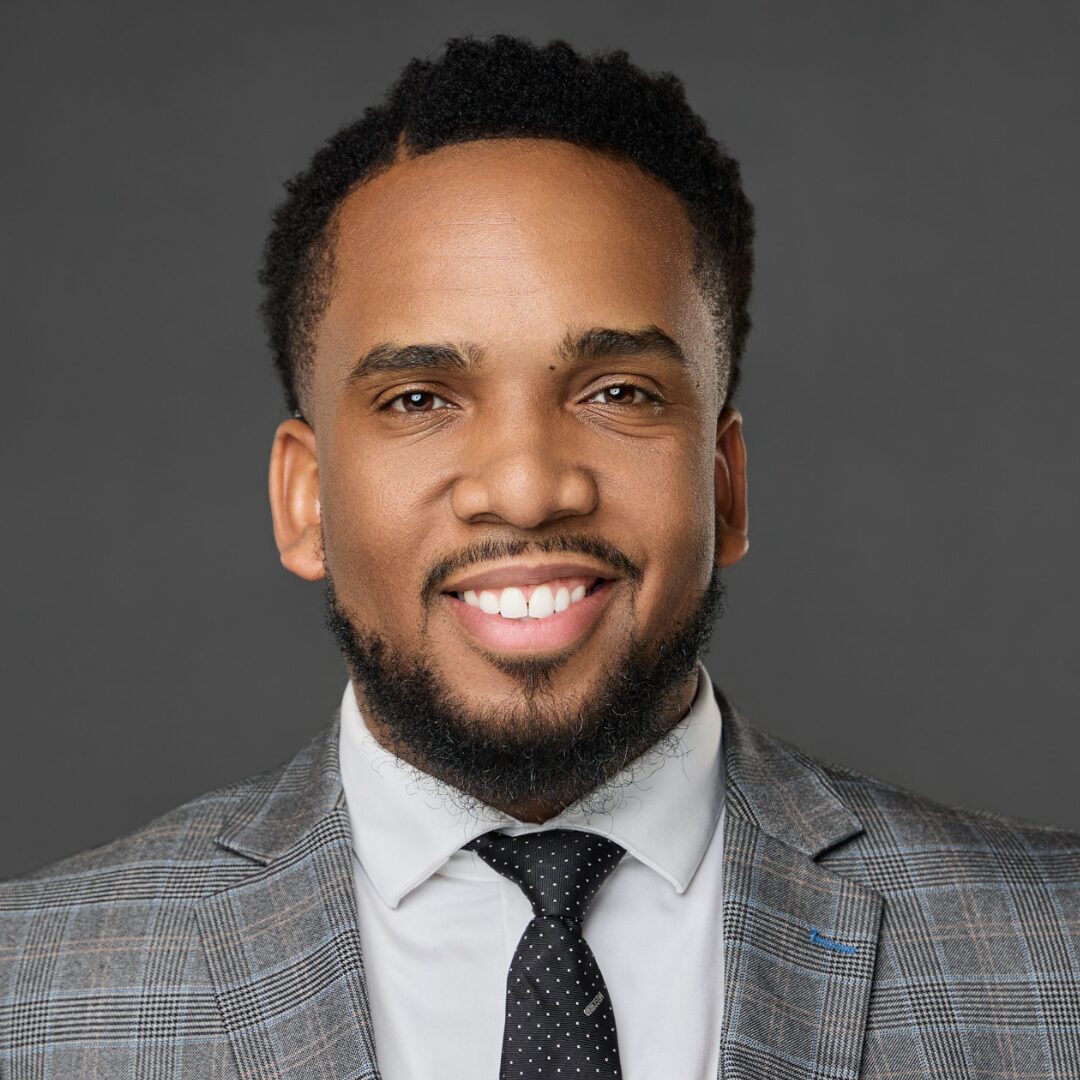
Moses Hall
Founder | MoHall Commercial & Urban Development
Panelist
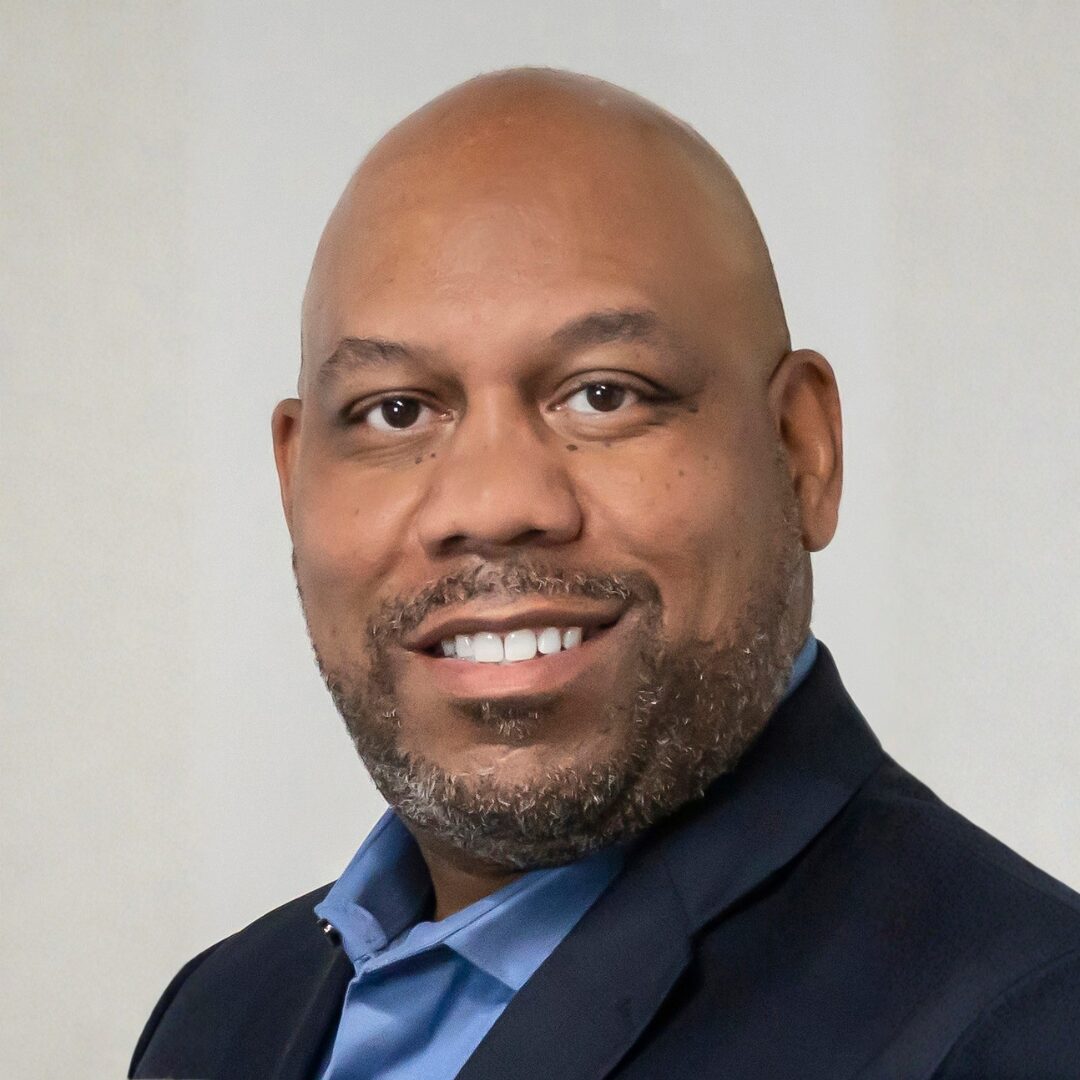
Tony Hardy
Regional Vice President | Keller Williams ONEChicago – Commercial
Panelist

Myra Nimchaiyong, CCIM
Director of Commercial Real Estate | CENTURY 21 S.G.R.
Panelist
Commercial real estate careers often begin as residential
If you’re curious about getting started in commercial real estate, but all you know are residential transactions, don’t let that hold you back. All three of our breakfast panelists began in residential — none of them walked directly into a major commercial brokerage on day one.
Moses Hall, MoHall Commercial & Urban Development, started working with investors buying two- and three-unit buildings. As their portfolios grew, so did the deal sizes, and by the time they were buying 20- and 30-unit buildings, he was already in the commercial space.
Tony Hardy, Keller Williams ONEChicago – Commercial, spotted an opportunity early: he lived in a four-unit, noticed the 24-story building next door changing ownership and wrote the new owner a letter saying he wasn’t ready yet but would be their agent one day. Fifteen years later, he sold that building for $2 million.
Myra Nimchaiyong, CENTURY 21 S.G.R., grew up watching her parents run restaurants, fell into retail real estate by chance and immediately enrolled in her CCIM coursework because she realized she didn’t know how to calculate square footage or lease dollars.
The path looks different for everyone. What’s consistent is that all three started where they were, used what they had and built from there.
Quick Tip: You don’t need a commercial background to start paying attention to commercial opportunities. Start by asking your existing clients better questions — are they expanding a business? Do they own property beyond their home? Who handles their space needs? The opportunity is often already in your database.
Key Terms Every commercial REALTOR® Should Know
If you want to speak credibly about commercial real estate, a few terms go a long way.
- Net Operating Income (NOI): Gross income from an investment property minus operating expenses (not including the mortgage). It’s the core metric for evaluating how a property performs.
- Triple Net Lease (NNN): The tenant pays a base rent plus property taxes, insurance and maintenance costs based on their square footage. Important to understand because a listed base rent can look very different from what a tenant actually pays monthly.
- Modified Gross Lease: A hybrid where the landlord may cover taxes and insurance in year one, but pass through any increases to the tenant after that.
- Full Gross Lease: Tenant pays a flat rent, all-in. Common with smaller, independent businesses that want predictable costs.
- Cap Rate: A return metric used to evaluate commercial investment properties. Hall flagged this as essential for anyone working the investment side.
- Offering Memorandum (OM): The executive summary package for a commercial property sale — leases, income, expenses, key metrics — typically 16 or more data points boiled down for a prospective buyer.
- Phase One Environmental: A lender-required assessment to verify a site isn’t contaminated. If issues are suspected, it moves to a Phase Two — which can add three to four months to a deal timeline, minimum.
Action Step: Pick two of these terms and look them up in depth this week. The association’s commercial platform offers contracts and resources for members, and CCIM’s introductory coursework covers all of this in a structured way.
Pick a Lane — Then Own It
Every panelist had the same advice on getting started: don’t chase every asset type at once. Pick one and go deep.
Hardy spent his first 10 years doing multifamily deals, roughly 80% of them on the south side of Chicago. “If you can pick an area and pick an asset class and own it, you can do well,” he said. “Same thing in residential — instead of chasing everything, pick a neighborhood and get 10 or 20% market share in that area and grow out from there.” His client relationships eventually took him into industrial, senior housing and hotels — but that came from trust built in one lane first.
Nimchaiyong gravitated toward retail because she grew up watching how street-level commercial shapes neighborhoods. Hall moved from multifamily into the government space — municipalities, schools, banks — after building a foundation in investment properties.
Action Step: If you’re curious about commercial, pick one asset class that genuinely interests you — retail, multifamily, industrial, mixed-use — and spend 30 minutes this week learning how deals in that category are structured and what buyers and tenants in that space actually care about.
The Deal Cycle Is Longer. Plan Accordingly.
This was the panel’s clearest warning for residential brokers considering the move: commercial deals take time. A lot of it.
Hall closed a deal that took nearly two years from contract to closing. Nimchaiyong regularly stays through transactions that run two to three years, attending zoning meetings even when representing the other side — because she believes staying present through the whole deal is what builds lasting client relationships. Hardy recently received a final settlement statement on a multi-million-dollar deal while sitting at the breakfast panel table.
The cycle is longer because the moving parts are more complex: environmental testing, lender requirements, zoning challenges, municipal approvals, tenant build-outs, phased commission structures. Hall put it plainly: “Do not count your money until it is in your bank account.”
Hardy’s answer to the long cycle is a flush pipeline — seven deals listed, seven under contract, seven being pursued. “If you do that, you’ll always have closings,” he said. “Some will take longer. But every client we’re dealing with has the ability to close fast — it’s just about what challenges come up.”
Quick Tip: If you’re adding commercial to your business, don’t let it replace your residential pipeline while you wait on a long-cycle deal. Keep both moving until the volume justifies a shift.
Leverage Someone Else’s Experience Until You Build Your Own
This was the panel’s consensus answer for how residential brokers break into commercial without experience: don’t try to do it alone.
Hall co-listed deals with his managing broker until he had enough experience to go independent. Hardy pointed out that even the largest commercial broker he knows runs a team to execute assignments. “You’ve got the relationship,” he said. “Ask the right questions and don’t try to do it on your own. If you do, you probably won’t close it.”
Nimchaiyong was direct about timing: “It would take at least three to five deals before you’re confident in knowing what you’re doing — and it would have to be both lease and sale.” In the meantime, the risk of going it alone isn’t just a missed commission. It’s misrepresenting your client on terminology, lease structure or deal mechanics they were counting on you to explain.
The practical move: when a commercial opportunity comes your way, bring in a commercial broker as a co-broker rather than trying to learn on the fly at your client’s expense. There’s enough commission in most deals to make it worth it — and the relationship with that client, who likely has more deals coming, is worth far more than one full split.
Action Step: Identify one commercial broker in your network you’d feel comfortable co-brokering with. Have a 20-minute conversation about what that would look like before you need it.
How Commercial Brokers Find Business
Lead generation in commercial looks different from residential — no MLS, different platforms, different relationships. Here’s what the panelists use.
- Platforms: Hall recommended Crexi as a starting point — it has a free tier, and Chicago REALTORS® and NAR members get a discount on the paid subscription. CoStar and LoopNet are also used by the panelists. RPR, already available through your MLS membership, has commercial data and reporting capabilities.
- Cold outreach: Hardy built his first database by riding through a neighborhood, identifying every apartment building and logging the owners — 800 buildings, about 300 owners. He called each of them four times in the first quarter. “I ended up with nine listings,” he said. “Picking up the phone actually works. I still time block two to three hours of calls a day.”
- Referral partners: Nimchaiyong partnered with insurance brokers 20 years ago — she had access to their business-owner clients, they had access to hers. Hall works closely with estate planning attorneys whose clients often need help liquidating or transferring real estate assets. He also built direct relationships with economic development directors at municipalities, so that when a village had a property to sell, they called him.
- Referrals, outright: Hardy made the point that if you’re a residential broker with commercial opportunities coming your way that you’re not equipped to handle, refer them to a commercial broker. “If you find five commercial opportunities a year and refer them out, that’s equivalent to you doing five $3 million deals” — with none of the execution risk.
Action Step: Log into RPR this week and explore the commercial data available to you. It’s already included in your membership, and most agents haven’t touched it.
The CCIM Designation Is Worth the Work
Multiple panelists brought up CCIM — the Certified Commercial Investment Member designation — as the most important credential you can pursue if you’re serious about commercial real estate.
Nimchaiyong passed her exam last year after starting the coursework 20 years ago. “It was the best four letters I could add to my name,” she said. “The deals are bigger. They get done faster. There’s a level of respect that comes with it because people know how hard it is to get.” Hall finished his exam down to the minute on the six-hour clock. He also noted that CCIM appears in job listings from national retailers like Walmart and Target as a preferred designation — the corporate world recognizes it.
The coursework runs approximately 178 hours and covers every aspect of commercial real estate: property analysis, investment metrics, demographics, data analysis and asset types. Hardy also mentioned SIOR as a designation worth looking into for those focused on industrial and office.
One important note: there are scholarships available at the local, state and national level. Don’t let the listed tuition price stop you from exploring it. Start at the Illinois CCIM website and look for the CCIM 101 introductory course.
Action Step: Visit the CCIM website and look up the 101 introductory course. It costs nothing to look, and it will give you a clear picture of what the full designation involves.
Building Your Commercial Team
Commercial deals have too many moving parts for any one broker to handle alone. The panelists were clear about who needs to be in your toolkit.
- Attorneys: You may need different attorneys for different situations — zoning, litigation, standard sales contract, municipal issues. Hall emphasized finding attorneys who are current on local legislation, including tenant rights, city of Chicago housing ordinances and county-level regulations.
- Environmental consultants: For deals requiring Phase One or Phase Two environmental assessments, you need a contact who can move efficiently and interpret findings accurately. Hardy noted that environmental firms sometimes over-flag issues, and knowing how to read those reports — or who to call — matters.
- Property managers, lenders, insurance brokers: Especially important for clients with portfolios. Rarely does one firm cover everything, so knowing who specializes in what neighborhood or property type saves time.
Quick Tip: You don’t need this whole team assembled before your first commercial deal. You need to know who to call. Start adding one commercial-adjacent professional to your network per month — an attorney, a lender, an environmental contact — before you need them.